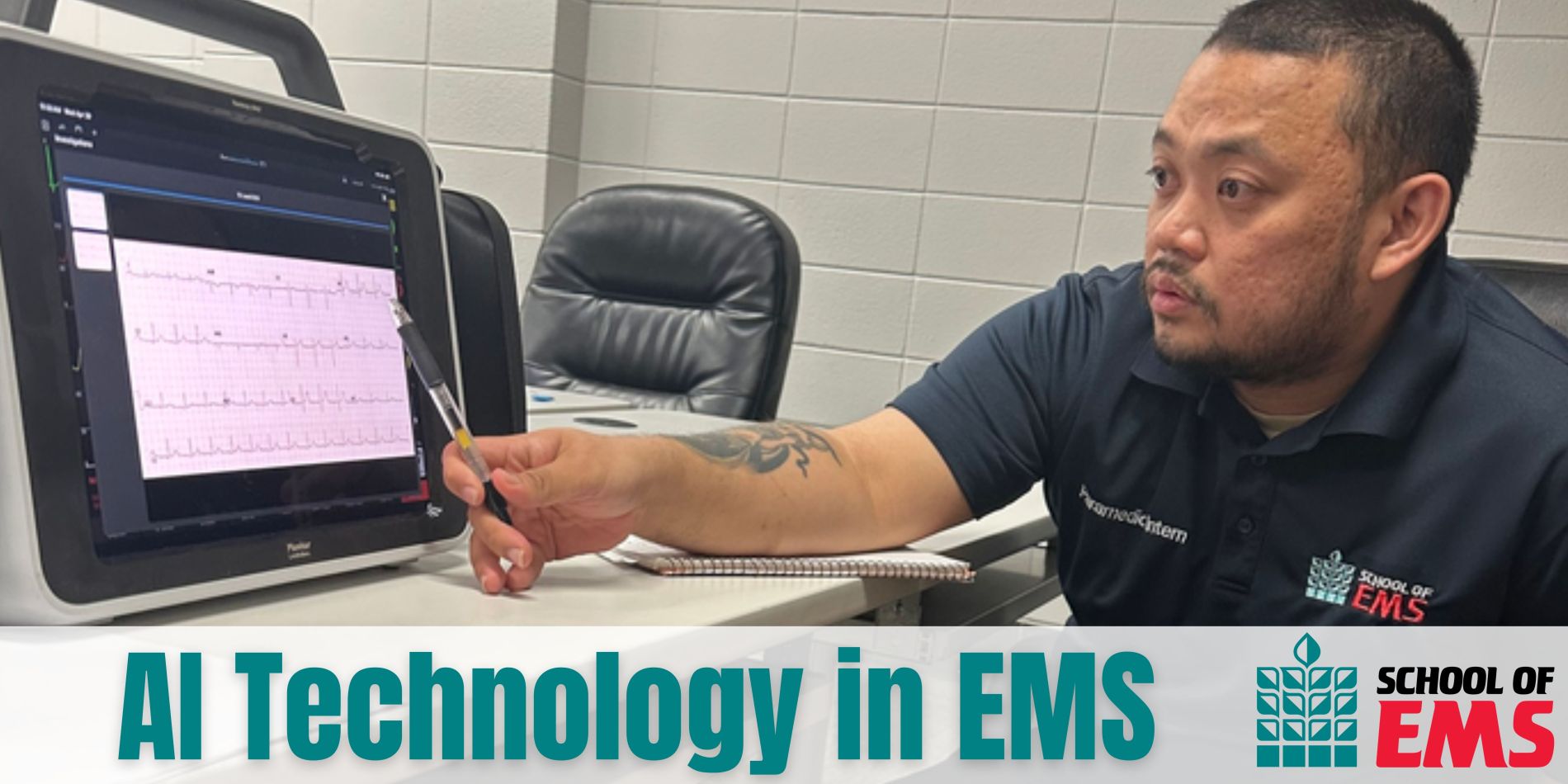
Imagine calling 911 for a loved one, struggling to describe their sudden chest pain. While your local dispatcher and responding paramedics coordinate help, industry data reveals a silent "Digital Guardian" often listens alongside them. This smart software recognizes subtle background breathing problems before you even realize what is happening.
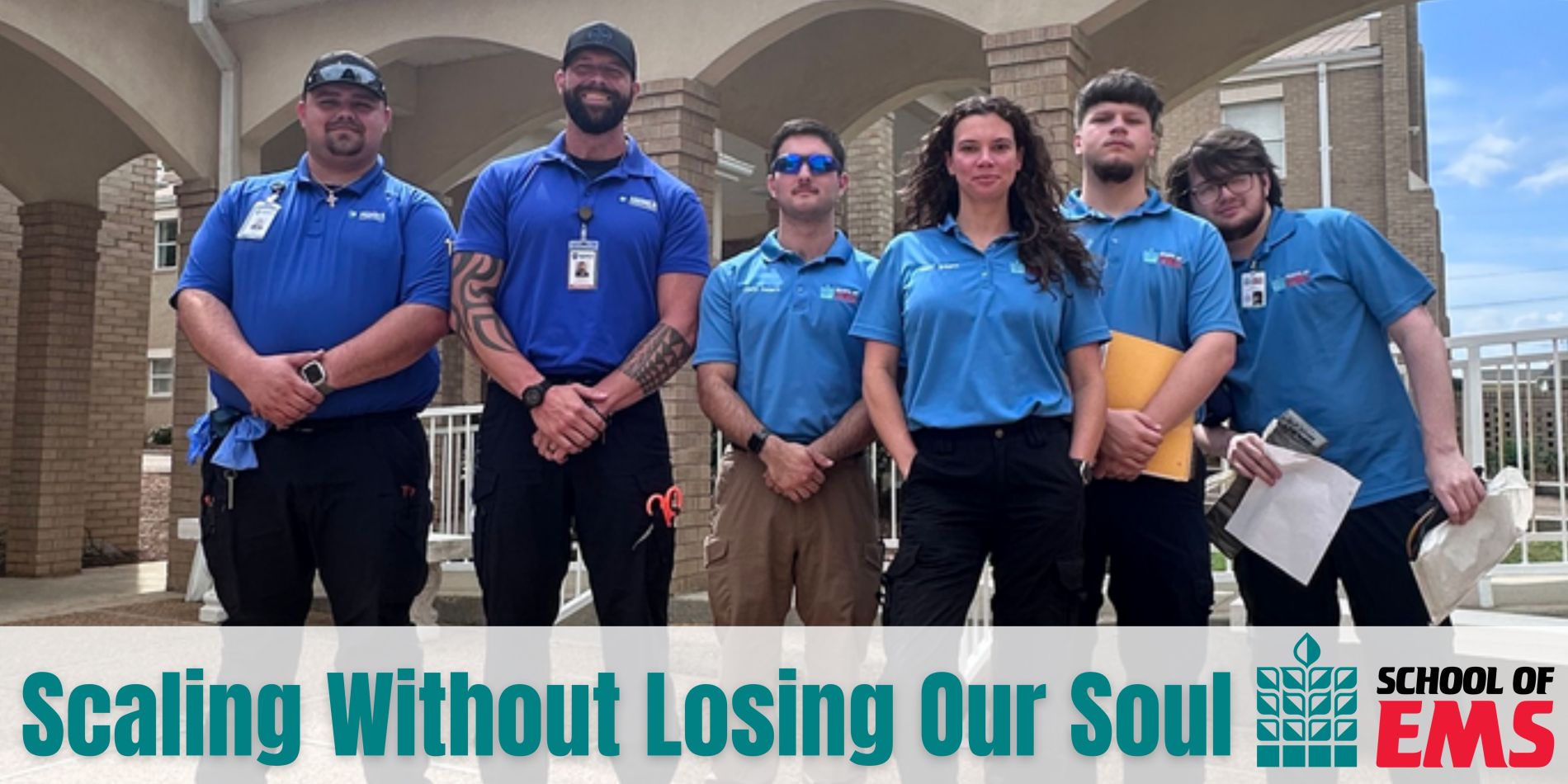
As the School of EMS expands into new states throughout 2026, the focus remains on maintaining the Gold Standard while increasing access for both students and employer partners.
Starting a career in emergency medical services doesn’t require years in medical school. In fact, according to national EMT training standards, you can become an EMT-Basic and begin working in emergency care in just a few months.
In EMS education, “quality” gets talked about often, but rarely defined clearly. Is it pass rates? Clinical hours? Hands-on training? Instructor experience? The reality is, those numbers alone don’t tell you if a provider is ready when it matters. At SOE, quality is built through multiple systems working together. Education, labs, clinical experience, and operational support all align toward producing providers who are ready for the field. This month, we are taking a closer look at what quality actually looks like in practice.
In the EMS education community, phrases like "Diploma Mills" and "Butts in Seats" are thrown around often. If you follow particularly "spicy" conversations online, you’ll hear well-meaning but misguided critics claim that "nobody can teach paramedics online" or that "only degree programs can produce quality paramedics".
Celebrating the commitment, growth, and professionalism of School of EMS students nationwide.
At School of EMS, we believe the path to becoming an EMS professional is built on perseverance, humility, teamwork, and the relentless pursuit of excellence. Our Student and Alumni Spotlight series highlights individuals from across the country who embody these values - students who show up ready to learn, push through challenges, and elevate the people around them.
January was not a quiet month, and that is exactly the point.
Across multiple states, through winter weather disruptions and continued enrollment growth, our teams maintained operational stability and strong student progression. This month reflects expansion supported by disciplined systems.
In healthcare, skill gets you in the door, but affect decides whether anyone wants to follow you through it.
For years, EMS education across the country has focused almost exclusively on measurable performance: grades, hours, competencies, task sheets, and test scores. And those matter. They show what a student can do with their hands. But they don’t always show who a student is when the uniform goes on, when the call drops, or when someone meets you on the worst day of their life.
Across the Midwest, Emergency Medical Services are expanding to meet community needs. From regional hubs to rural townships, the growing demands for EMS careers in the Midwest reflect rising call volumes, evolving public health priorities, and a stronger focus on prevention and coordinated care. If you are considering an EMT/AEMT path or planning your next move in a paramedic career, now is the time to step in. This guide explains the market forces, role options, pay dynamics, and how School of EMS equips you to earn credentials, build experience, and advance with confidence.