


Everybody Has a First Day
– By #School of EMS
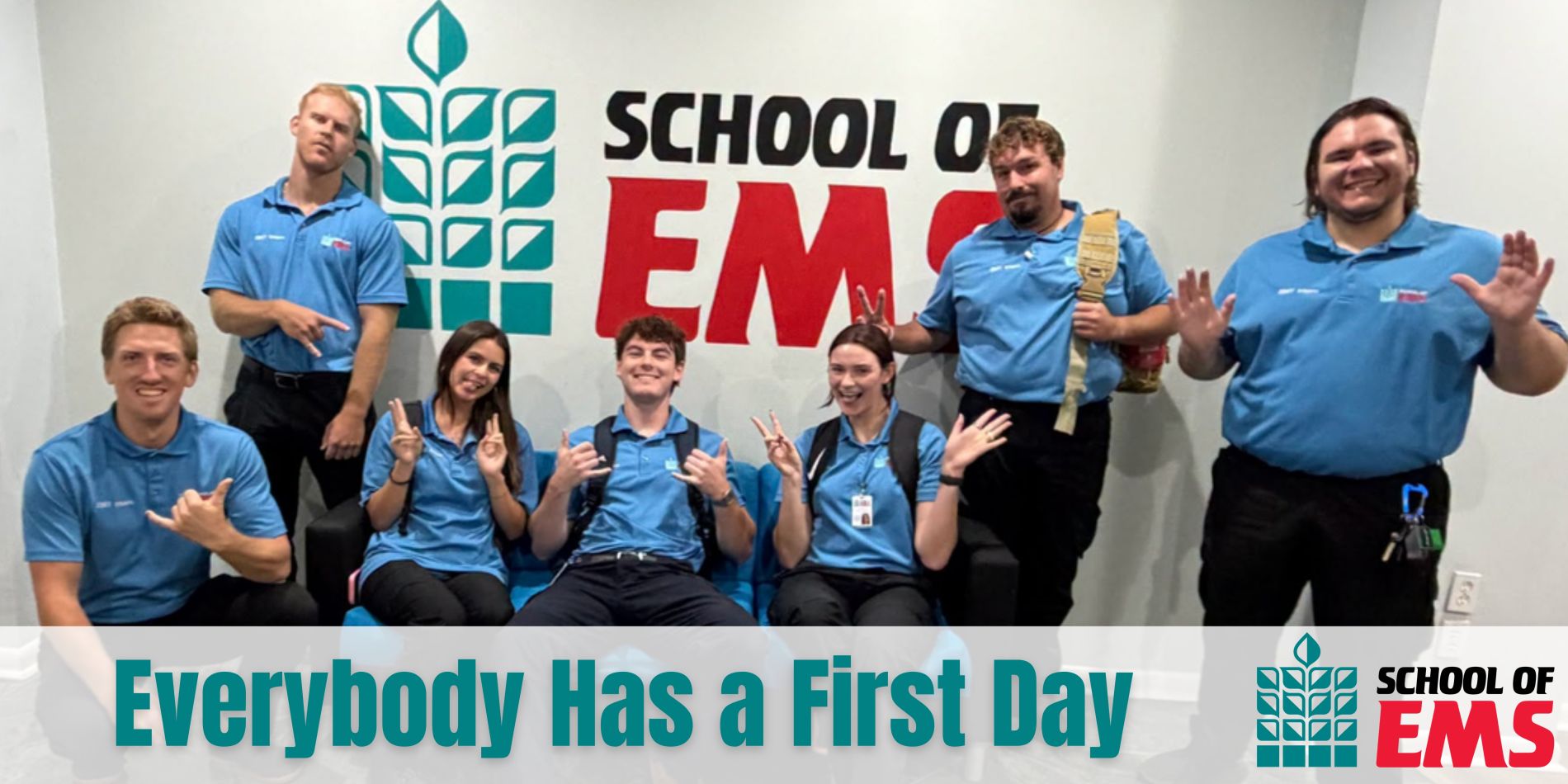
The way we treat people while they are learning may shape the clinician they eventually become. This month, Chad Pate challenges us to remember what it was like to be new—and to consider the role experienced clinicians play in shaping those who come behind them. High standards and accountability matter, but so do patience, productive struggle, honest feedback, and creating an environment where learners aren't afraid to say, "I don't know."
From students completing their first skills to experienced clinicians beginning again in unfamiliar environments, Chad reminds us that everyone has been the new person at some point—and that how we teach during those moments matters.
There was a time when you didn’t know which bag to grab.
There was a time when you had to stop and think about where every ECG lead went. You rehearsed your radio report in your head before pressing the button. You worried about missing an IV while someone watched. You walked into a call hoping no one would ask you a question you couldn’t answer.
There was a time when the ambulance felt unfamiliar, the monitor looked complicated, and everyone around you seemed to know exactly what they were doing.
You had a first day, too.
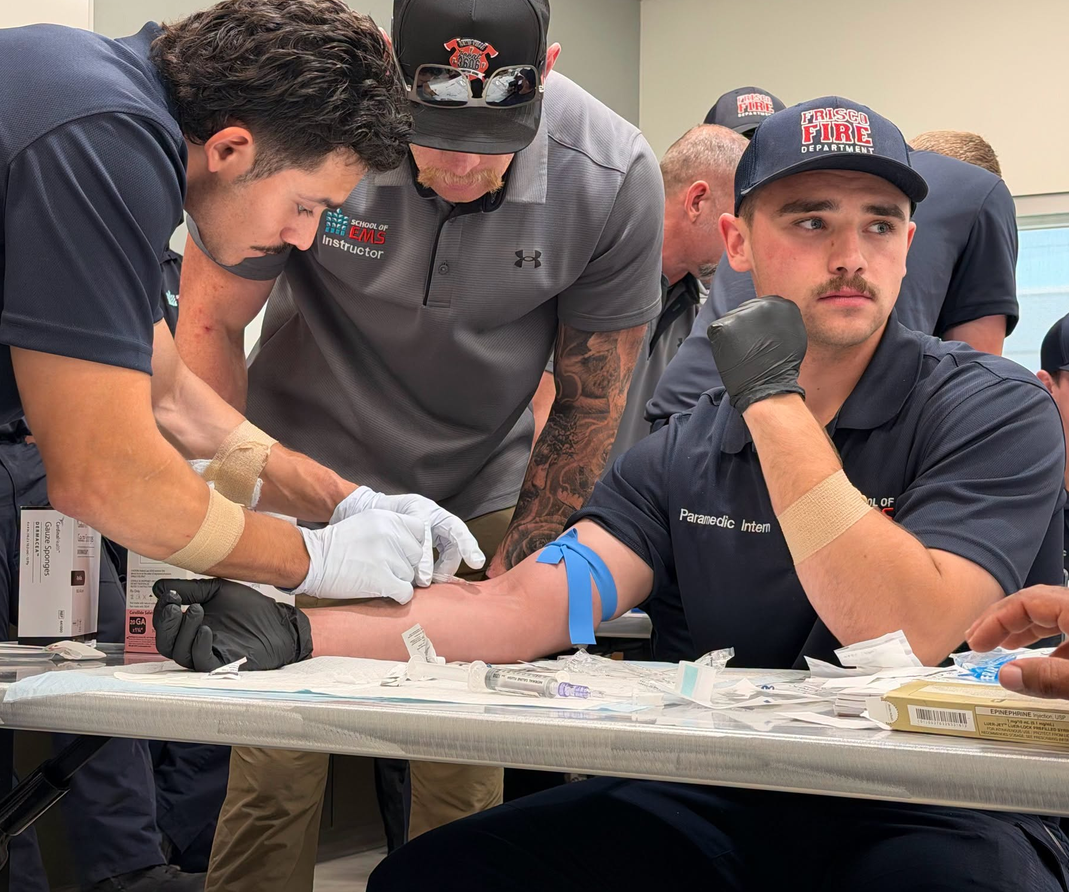
The longer we work in EMS, the easier it becomes to forget what it felt like to be new. Tasks that once required our full concentration eventually become second nature. We recognize patterns faster. Our hands know where to reach. We learn which questions to ask and, perhaps more importantly, which questions we almost forgot to ask.
Experience is one of the greatest teachers in EMS.
But experience can also make us forget how much we once didn’t know.
We Remember the People Who Taught Us
Ask someone who has been in EMS for a while about the people who trained them, and chances are they can tell you stories.
They remember the preceptor who seemed determined to find something they didn’t know just so they could point it out.
They remember being asked a question in front of everyone and feeling embarrassed when they couldn’t answer it. They remember being afraid to ask questions because they didn’t want to look incompetent.
But they remember the other people, too.
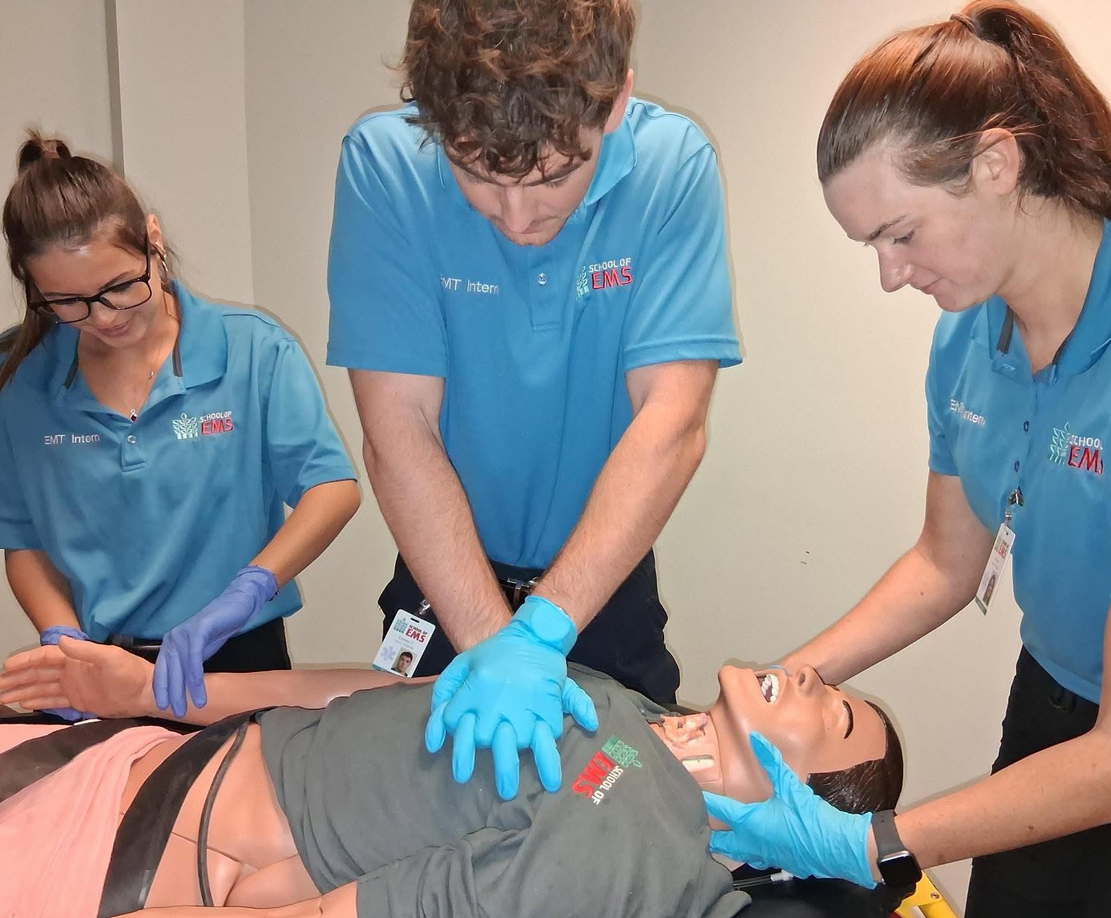
The paramedic who moved over and said, “Come here. Let me show you something.”
The instructor who stayed after class to explain a concept one more time.
The partner who let them attempt the IV even though it would have been faster to do it themselves.
The preceptor who asked, “What are you thinking?” and actually listened to the answer.
Years later, we remember both kinds of teachers.
That should make every experienced EMS professional ask an important question:
Which one am I becoming?
Teaching Is Not Proving That You Know More
There is an enormous difference between teaching someone and demonstrating that you know more than they do.
Of course you know more than the student. You are supposed to.
You have education they haven’t completed yet. You have calls they haven’t run. You have made decisions they haven’t had to make. You have probably made mistakes that taught you lessons no textbook ever could.
That experience gives you an advantage.
It also gives you a responsibility.
A knowledgeable clinician can ask a question specifically designed to expose what a student doesn’t know. The same clinician can ask a similar question to discover what the student understands and help them reason through what they don’t.
One demonstrates superiority.
The other develops a clinician.
Consider the difference between saying:
“You seriously don’t know that?”
and:
“Walk me through what you know, and let’s figure out where you’re getting stuck.”
The clinical standard has not changed. The expectation has not been lowered.
But the learning environment has changed completely.
Kindness Does Not Mean Lowering the Standard
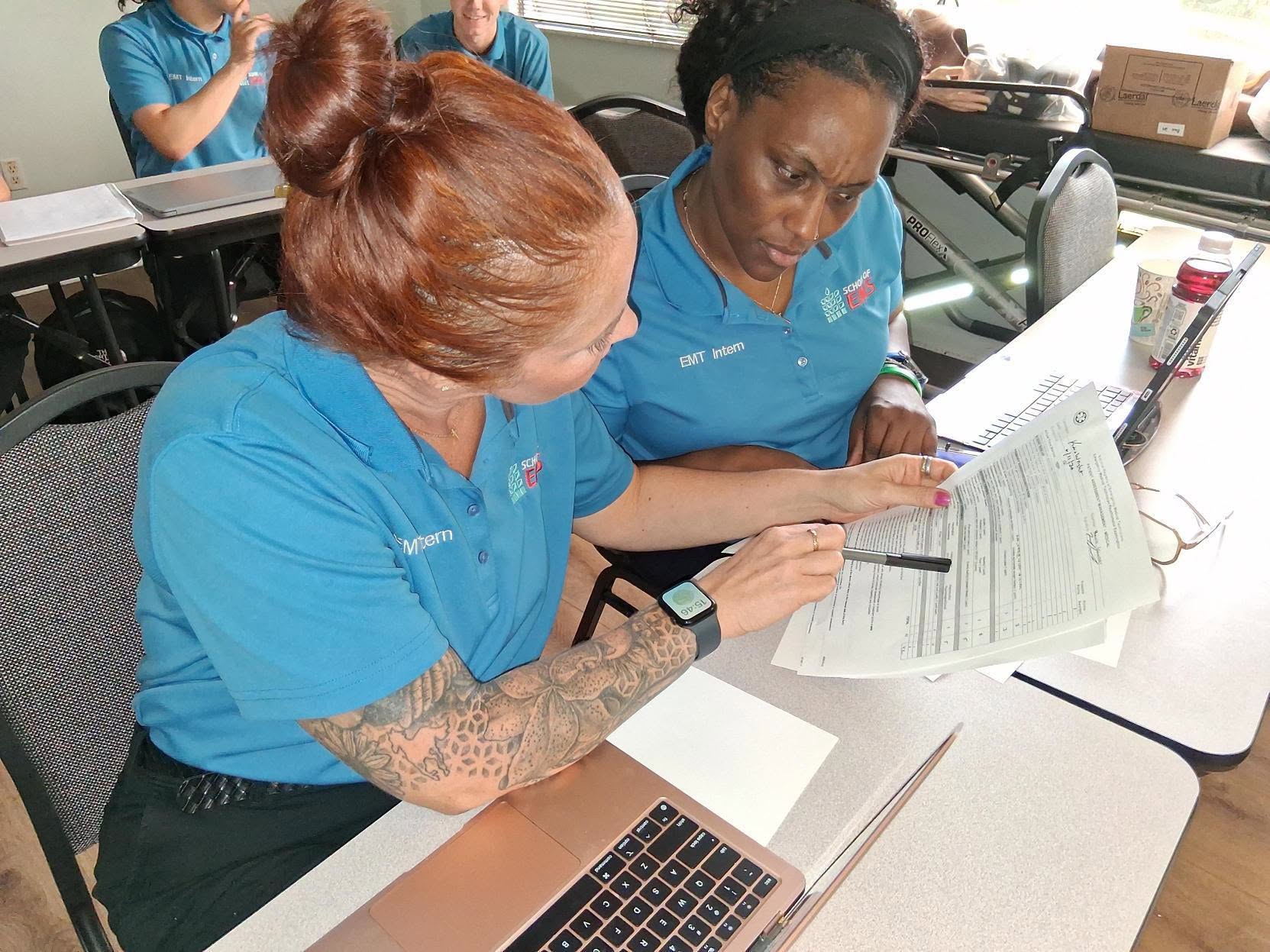
This distinction matters, particularly in EMS education.
Being patient with someone who is learning does not mean accepting incompetence. Empathy is not the absence of accountability.
Our profession demands high standards because our mistakes can have real consequences.
Students must prepare. New clinicians must develop competence. Poor decisions must be corrected. Unsafe behavior must be stopped. Someone who repeatedly fails to meet expectations must be held accountable.
There will be moments when a learner needs to hear, clearly and directly, “This is not acceptable.”
But there is a tremendous difference between:
“You should already know this.”
and:
“You need to know this. Let’s make sure you understand it before we move on.”
Same standard.
Different leadership.
One creates shame. The other creates an expectation and a path forward.
Our goal should never be to make difficult things easy simply because someone is new. Some struggle is necessary for growth. Our responsibility is to make that struggle productive.
Create Clinicians Who Aren’t Afraid to Say, “I Don’t Know”
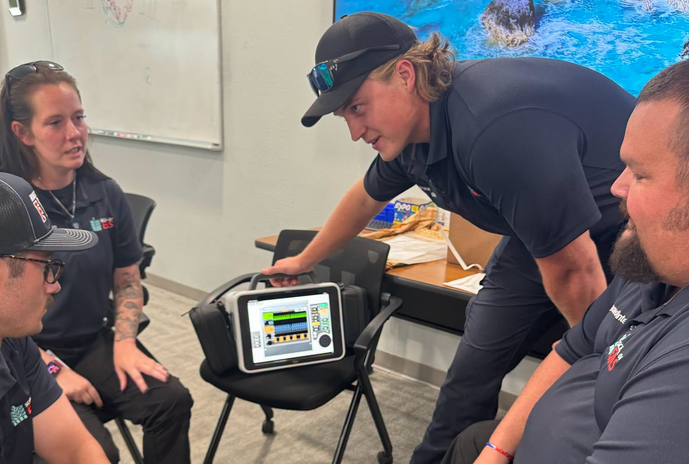
There is another reason the way we treat learners matters: patient safety.
Think about what happens when we punish people for not knowing.
They become very good at hiding it.
A student who has repeatedly been embarrassed for asking questions eventually stops asking questions. A new EMT who is mocked for admitting uncertainty learns to stay quiet. A new paramedic who believes everyone expects them to know everything may pretend to understand something they don’t.
That is not confidence.
That is danger.
We should want clinicians who are comfortable saying:
“I’m not sure.”
“I haven’t done this before.”
“Can you check me on this?”
“Something about this patient doesn’t seem right.”
“I need help.”
EMS does not need people who pretend to know everything. It needs people who recognize the limits of what they know and have the confidence to speak up.
Psychological safety does not mean nobody gets corrected. It means people can admit uncertainty, ask questions, identify mistakes, and raise concerns without being humiliated for doing so.
That culture begins with us.
Sometimes the New Person Is Already Experienced

Being “new” is not limited to students.
An experienced paramedic can have a first day at a new service.
A veteran EMT can encounter a piece of equipment they have never used.
Someone can transfer from another state and suddenly face unfamiliar protocols, documentation systems, terminology, or expectations.
A new partner may know EMS extremely well but have no idea where your service keeps the pediatric bag.
At some point, almost all of us will become beginners again.
Remembering that should give us a little more patience when someone asks where something is, needs an explanation repeated, or takes longer to complete something we can do almost automatically.
What is routine to you may be brand new to the person standing beside you.
Let Them Do It
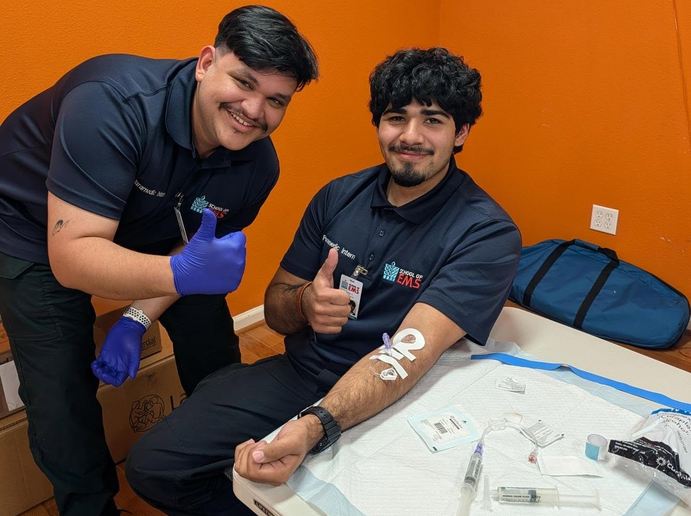
There is also a temptation among experienced clinicians to simply take over.
It is faster.
You can probably start the IV faster. Give the radio report faster. Complete the assessment faster. Navigate the monitor faster.
But if we always step in because we can do something faster, the learner never develops the ability to do it without us.
Good teaching sometimes requires tolerating inefficiency.
Let them think.
Let them struggle a little.
Ask, “What do you think we should do next?”
Give them enough space to make decisions when patient safety allows it. If their plan is reasonable but different from yours, resist the urge to correct them simply because it isn’t how you would have done it.
And when they make a mistake, help them understand why it happened.
The goal isn't to create someone who can perform perfectly while you stand beside them.
The goal is to create someone who eventually doesn't need you standing beside them at all.
Someone Did It for You
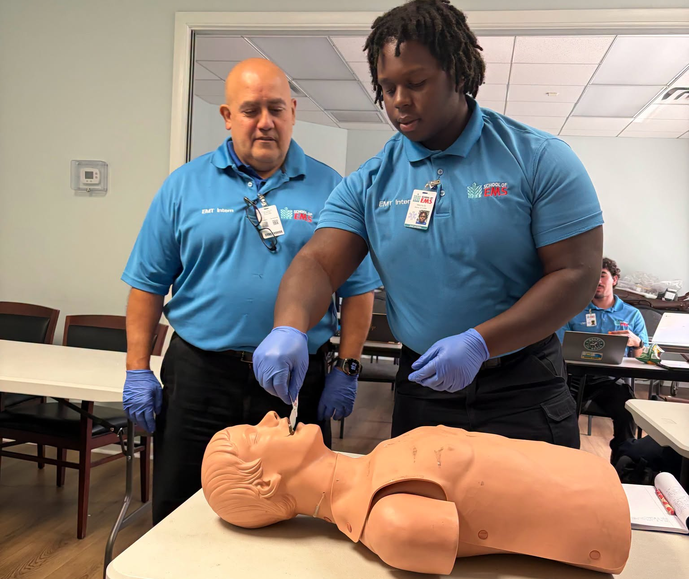
None of us became competent clinicians entirely on our own.
Somebody answered our questions.
Somebody let us practice.
Somebody corrected us.
Somebody gave us another attempt after we failed.
Somebody trusted us with more responsibility when we were ready.
And somewhere along the way, somebody probably saw potential in us before we could see it ourselves.
Now we get to be that person for someone else.
That student fumbling with equipment today may someday be the paramedic calmly running a cardiac arrest.
The new EMT who asks a hundred questions may someday become the preceptor answering someone else’s hundred questions.
The nervous new paramedic second-guessing every decision may someday become the experienced clinician everyone turns to when things go wrong.
We don't know yet who they will become.
But we may have a hand in shaping them.
Someday, the student standing beside you may be the clinician treating your neighbor, your friend, your spouse, your child—or you.
So, teach them well.
Challenge them. Correct them. Hold them accountable. Expect them to prepare. Let them struggle when struggling helps them grow. Give honest feedback when they fall short and recognize progress when they improve.
But never make someone ashamed of learning.
Because before any of us became experienced, confident, or good at this job, every one of us had a first day.
Last Modified: