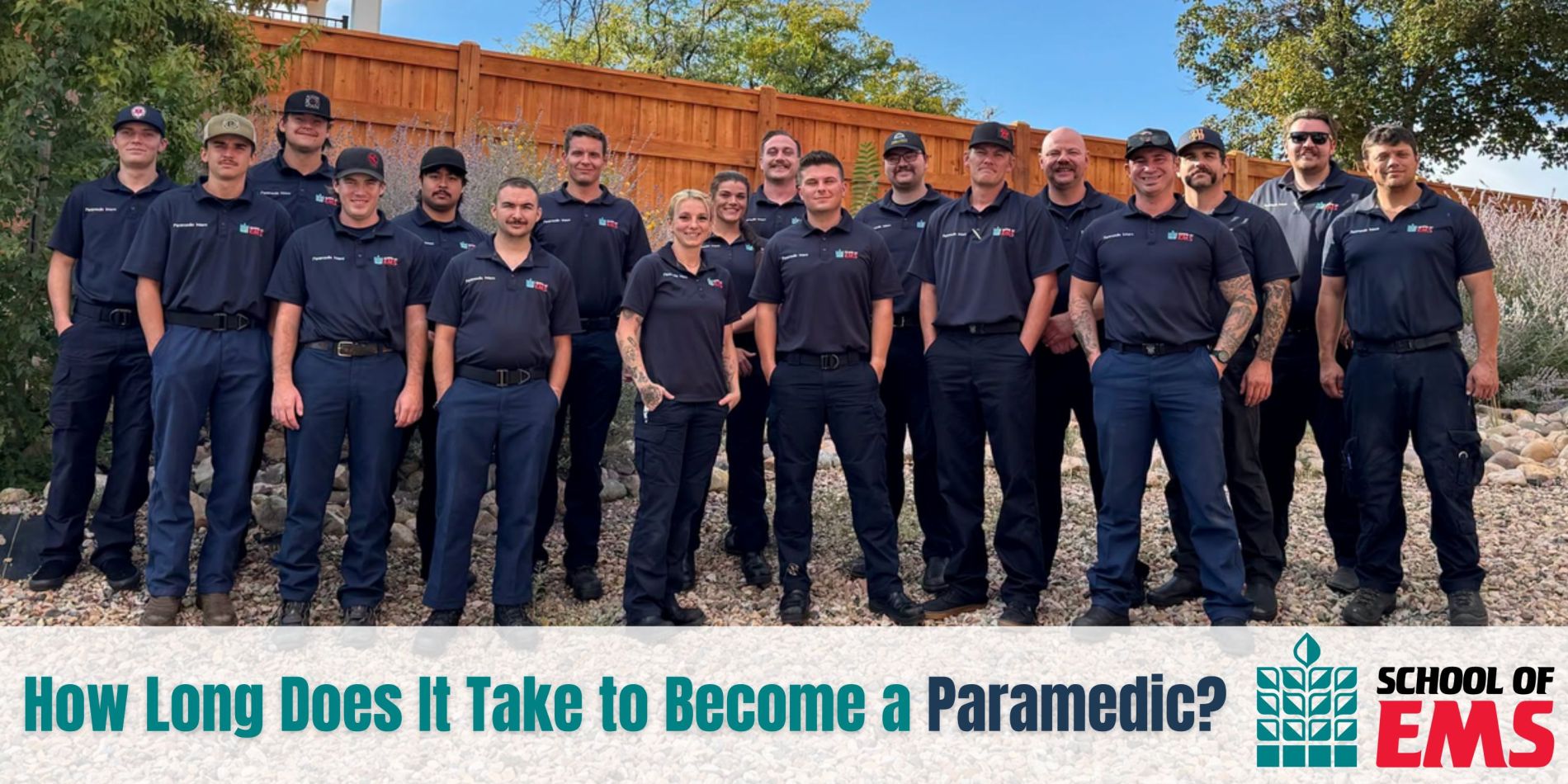
If you're considering a career in EMS, one of the first questions you're likely asking is, "How long does it take to become a paramedic?" It's a fair question. Becoming a paramedic requires a significant commitment of time, energy, and discipline. Unlike many careers, you're not simply learning information for an exam. You're preparing to make lifesaving decisions in unpredictable situations, often when patients are experiencing some of the worst moments of their lives.
School of EMS' Chad Patereminds us that some of the most meaningful parts of patient care never make it into the documentation. While clinical skills save lives, small acts of empathy, patience, and compassion, from easing a patient's fears to making sure their dog is safe, can make all the difference. The message is simple: great EMS providers care not only for the emergency, but for the whole person behind it.
In EMS, we spend a lot of time talking about the big things. The critical calls, the lifesaving decisions, and the skills that make someone a great provider. But sometimes, it's the little things that leave the biggest impression.