


How Long Does It Take to Become a Paramedic in Texas and Beyond?
– By #School of EMS
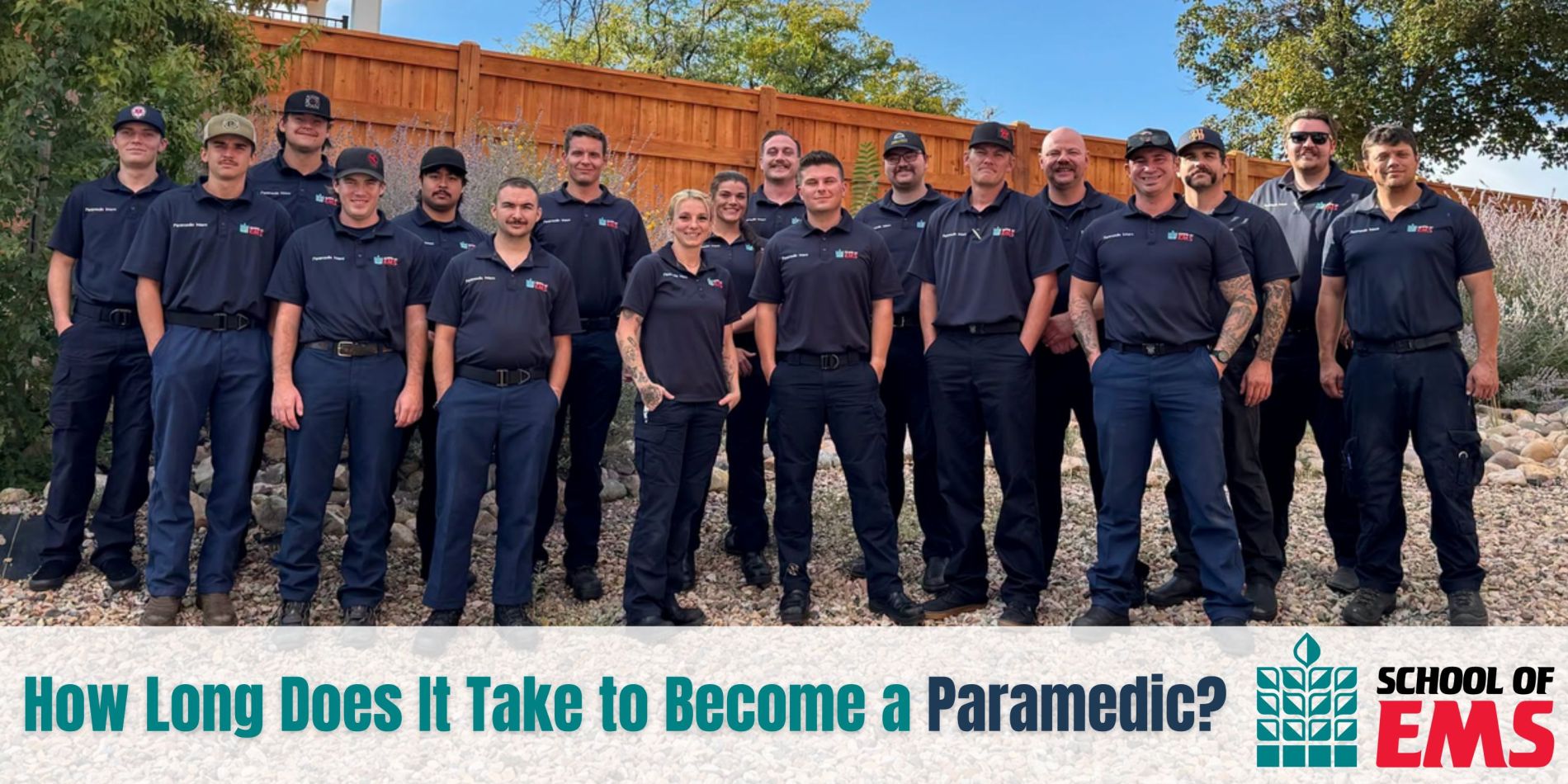
If you're considering a career in EMS, one of the first questions you're likely asking is, "How long does it take to become a paramedic?" It's a fair question. Becoming a paramedic requires a significant commitment of time, energy, and discipline. Unlike many careers, you're not simply learning information for an exam. You're preparing to make lifesaving decisions in unpredictable situations, often when patients are experiencing some of the worst moments of their lives.
For most students, the journey from beginning EMT education to becoming a credentialed paramedic takes anywhere from 18 months to three years. The exact timeline depends on factors such as your educational background, whether you're already working as an EMT, your state's requirements, and the structure of the program you choose.
At School of EMS, we've spent more than 40 years helping students navigate that journey successfully. While many prospective students focus on completing their education as quickly as possible, we encourage a different perspective: the goal isn't simply finishing paramedic school. The goal is becoming the kind of provider patients, partners, and communities can trust when every second counts.
The Real Answer? It Takes Time to Build a Great Paramedic
When people search "How long does it take to become a paramedic?" - they're usually looking for a number. In reality, the answer is bigger than a timeline.
Paramedics are expected to perform advanced patient assessments, administer medications, interpret cardiac rhythms, manage airways, communicate with physicians, coordinate with emergency responders, and make treatment decisions under pressure. Those skills can't be mastered through a few months of coursework alone.
That's why the pathway includes multiple stages of education, clinical experience, and competency validation. Every step exists for a reason. Each layer of training builds upon the one before it, helping students develop the knowledge, confidence, and judgment needed to provide exceptional patient care.
The timeline may seem challenging from the outside, but most graduates discover those months are what transform them from students into clinicians.
What Does the Typical Paramedic Timeline Look Like?
Across the United States, EMT certification and/or licensure is required before an individual can obtain paramedic licensure. EMT education provides the foundation for everything that follows. Students learn patient assessment, CPR, trauma management, medical emergencies, airway support, and EMS operations. For many, it's also their first introduction to caring for patients in real-world emergency situations.Once that foundation is established, students can begin preparing for paramedic school.
Paramedic programs require applicants to hold an active EMT certification. Accrediting bodies that oversee paramedic education programs, CoAEMSP and CAAHEP, require verification of current EMT certification for program entry. Applicants must meet additional requirements such as current CPR credentials, immunization records, background screenings, and other program-specific admissions criteria.
From there, students enter paramedic education, which commonly lasts between 12 and 24 months depending on the program format and individual pace of study.
After completing paramedic school, graduates move on to National Registry testing and state credentialing requirements before entering practice as paramedics.
When viewed as a whole, the process often spans approximately 18 to 36 months from the beginning of EMT training to active paramedic practice. While that may seem like a lengthy journey, it represents the time required to build competence in a profession where skill and decision-making directly affect patient outcomes.
Why Paramedic School Takes Longer Than EMT School
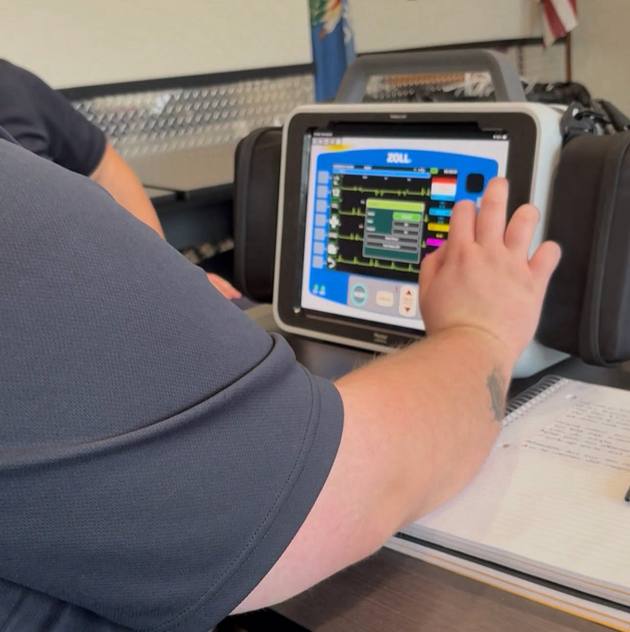
A common misconception is that paramedic school is simply a more advanced version of EMT training when the reality is much more significant.
EMT education teaches providers how to recognize emergencies, stabilize patients, and safely transport them. Paramedic education expands far beyond those fundamentals, preparing students to deliver advanced life support interventions and lead patient care in complex situations.
As a paramedic student, you'll study advanced airway management, pharmacology, cardiology, pathophysiology, trauma care, medical emergencies, pediatrics, obstetrics, and other specialized areas of medicine. You'll also learn how to combine those concepts in real time while making critical decisions in dynamic environments.
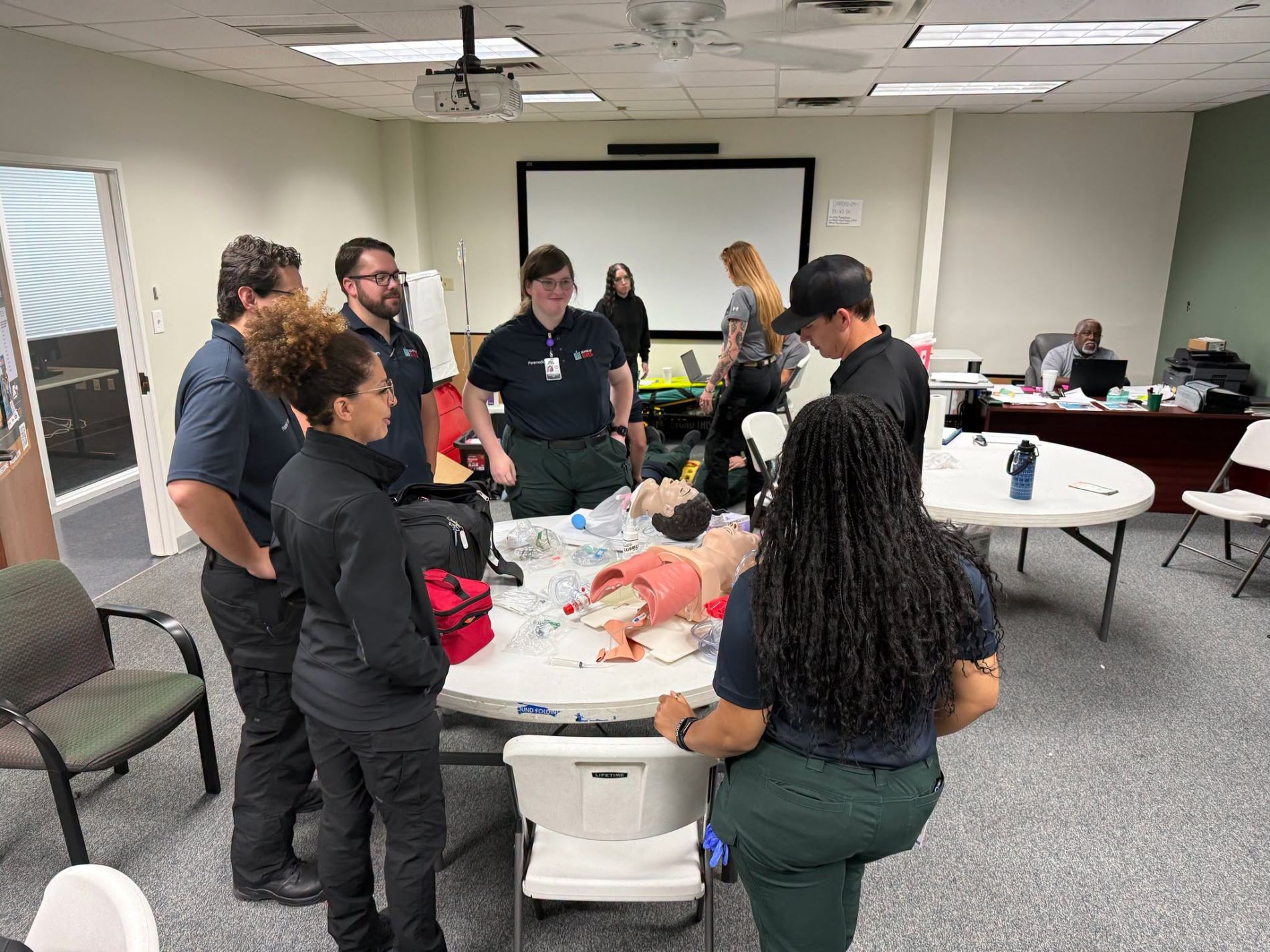
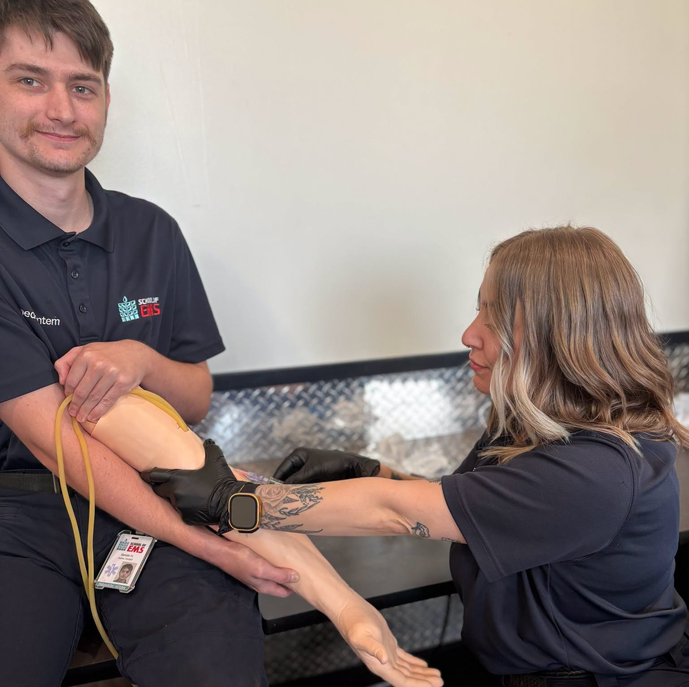
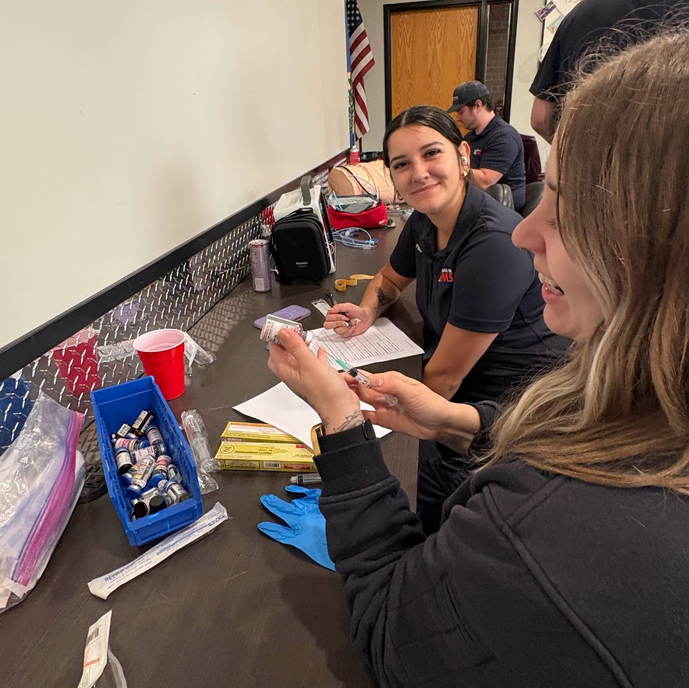
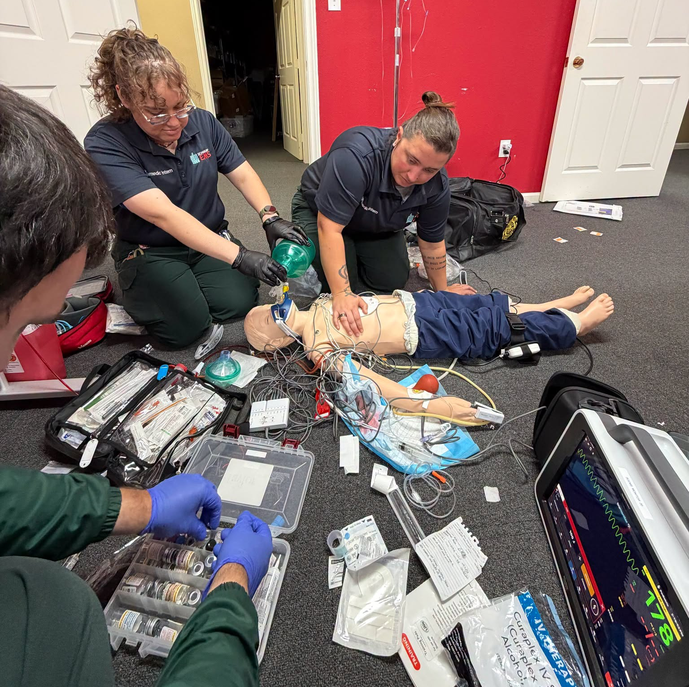
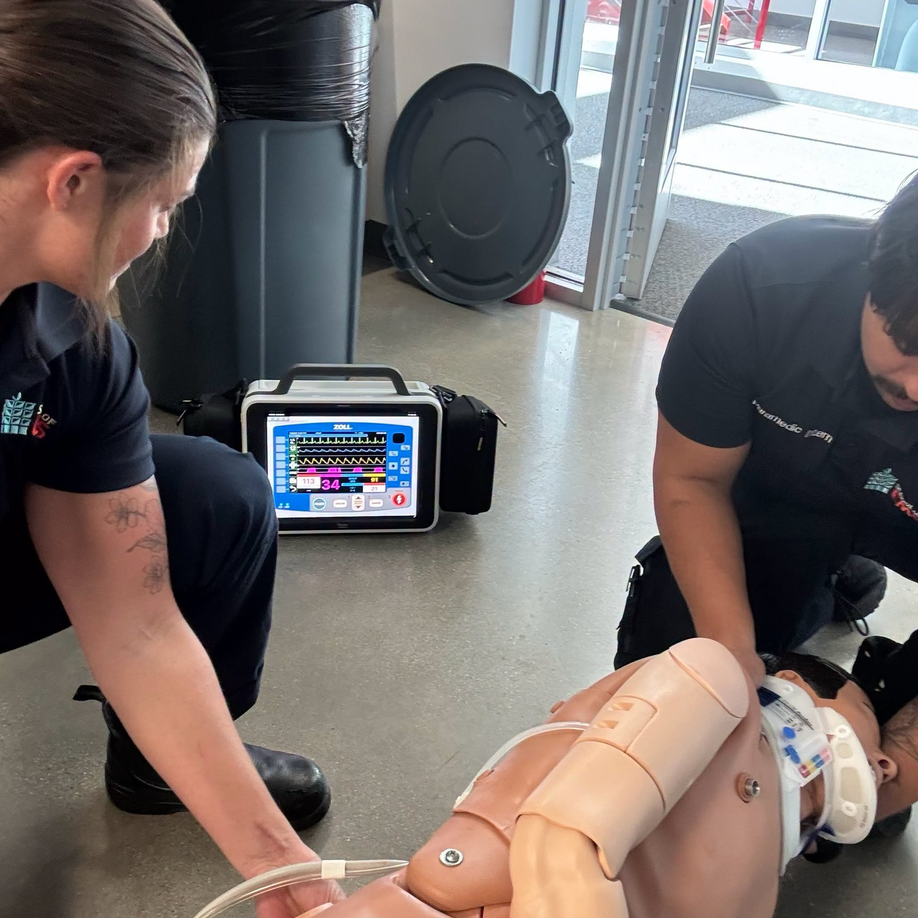
The classroom is only one part of that process. Strong paramedic programs immerse students in skills laboratories, simulation environments, hospital clinical rotations, and field internships. These experiences allow students to apply classroom concepts while working alongside experienced healthcare professionals and EMS providers.
By graduation, students aren't simply expected to know the material. They're expected to confidently use that knowledge when lives depend on it.
What Happens During Paramedic Training?
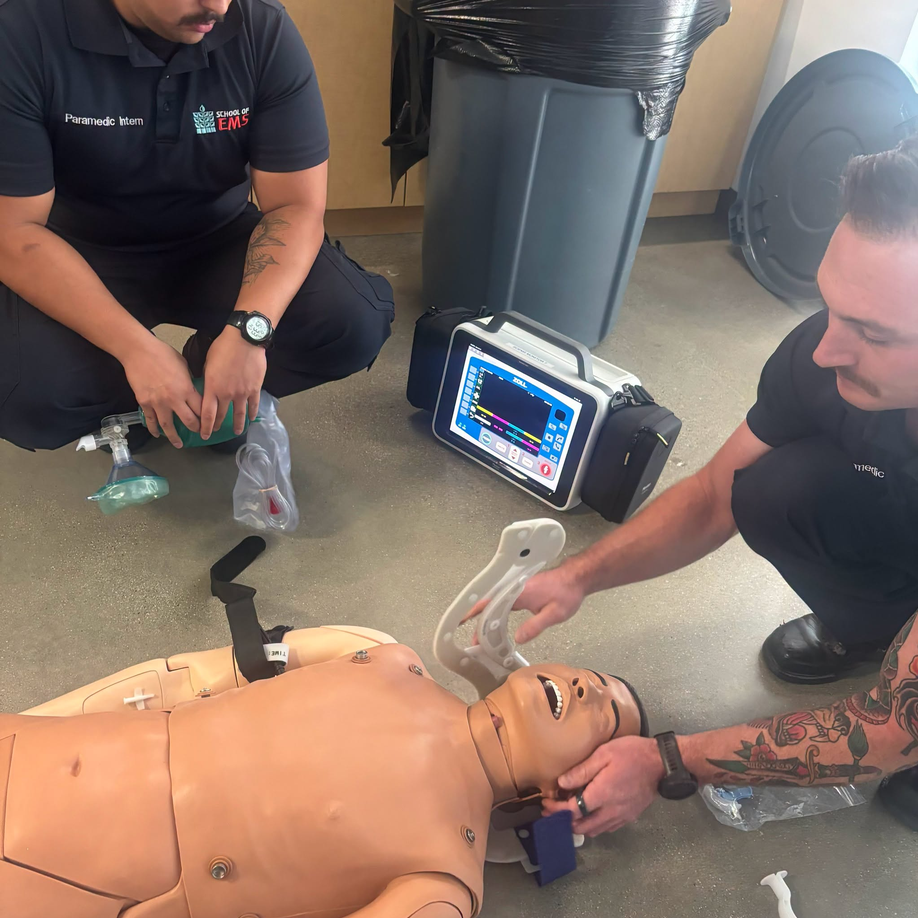
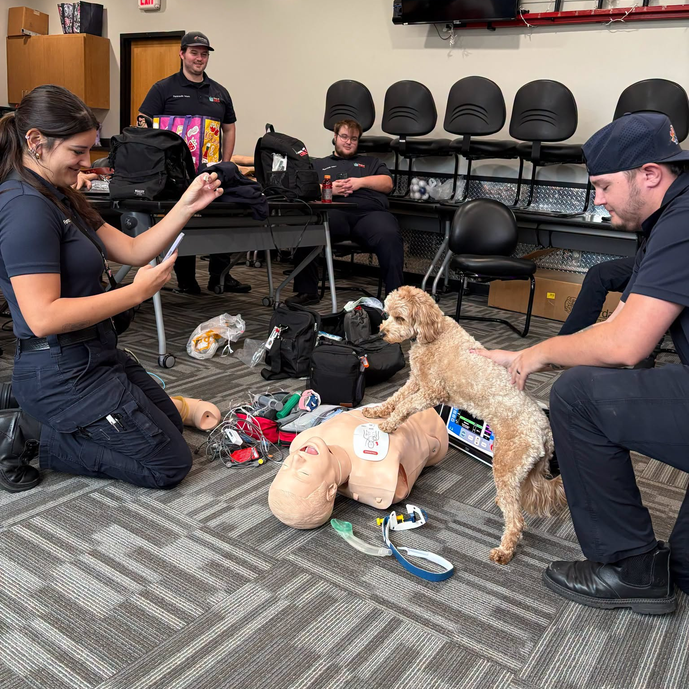
The educational experience itself is often what surprises students the most. Many enter paramedic school expecting to spend the majority of their time in lectures. Instead, they quickly discover that the most important learning often happens through application.
Students spend time mastering hands-on skills, participating in realistic patient scenarios, completing hospital clinical rotations, and gaining field experience through ambulance internships. Every interaction becomes an opportunity to strengthen critical thinking, communication, and patient-care skills.
This balance between academics and hands-on experience is what helps transform knowledge into confidence.
At School of EMS, students have the opportunity to train through a hybrid learning model that combines online instruction with intensive practical experiences. This approach allows working professionals to continue advancing their education while maintaining many of their existing responsibilities.
The flexibility is valuable, but the expectations remain high. Great paramedics are built through consistent effort, clinical exposure, and deliberate practice.
What Makes School of EMS Different?
Choosing a paramedic program is one of the most important decisions you'll make in your EMS career.
In our paramedic program, our education extends beyond helping you acquire your necessary requirements. With School of EMS, we help you build the foundation for long-term success.
School of EMS has been educating EMS professionals for more than four decades and has evolved alongside the profession itself. What began as the East Texas Medical Center EMS clinical department has grown into one of the nation's leading EMS education providers, serving students across multiple states and learning formats.
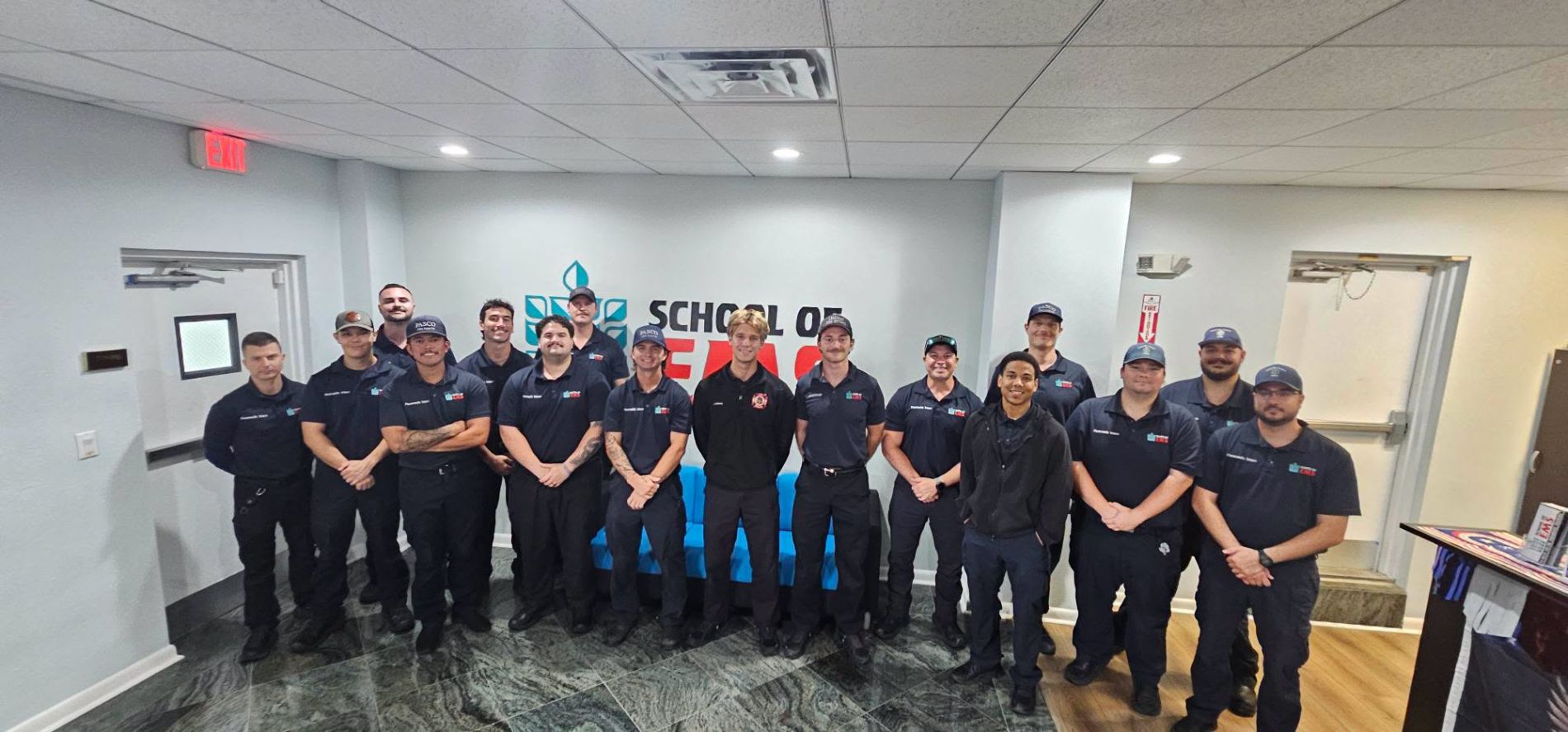
Our Paramedic Program is designed to prepare students for far more than certification exams. Through a combination of classroom education, skills training, clinical experiences, and field internships, students graduate prepared for the realities of modern paramedic practice.
That commitment to workforce readiness is reflected in the results. In 2024 alone, 798 School of EMS graduates became Nationally Registered Paramedics and entered the workforce. For students evaluating their options, those outcomes tell an important story: education should lead to career readiness, not simply course completion.
What Texas Students Need to Know

For students pursuing paramedic certification in Texas, the overall journey closely mirrors the national process.
Students begin by earning EMT certification, complete an approved paramedic program, pass National Registry examinations, and then satisfy Texas credentialing requirements.
Where some confusion arises is in the terminology. Texas differentiates between EMT-Paramedic certification and Licensed Paramedic status, and understanding those distinctions early can help students better plan their educational pathway.

Being that we are headquartered in Texas, we have helped countless students navigate these requirements while balancing work schedules, family obligations, and educational goals.
Our deep Texas roots also allow us to understand the workforce needs of EMS agencies throughout the state. If you're pursuing advancement within your current department or entering EMS for the first time, understanding state-specific requirements is an important part of developing a realistic timeline.
For many students, the best first step is simply exploring available course options and identifying a start date that aligns with their goals.
Can You Become a Paramedic Through an Online Program?
Many future paramedics are balancing full-time jobs, shift work, military service, or family responsibilities. Because of that, online and hybrid learning options have become increasingly popular. It's important, however, to understand what "online paramedic program" actually means.
Paramedic education can incorporate online coursework, but it cannot be completed entirely from behind a computer screen.
Students must still complete hands-on training, skills verification, clinical rotations, and field internships. These practical experiences are essential because EMS is a hands-on profession. No amount of online learning can replace treating real patients under the guidance of experienced instructors and preceptors.
Hybrid programs work best when they combine convenience with accountability. Students enjoy the flexibility of online learning while still gaining the immersive laboratory, clinical, and field experiences that make great paramedics.
For many working EMTs, this model provides the ideal balance between career advancement and daily responsibilities.
Learn more about the difference between online and hybrid paramedic programs >> https://www.schoolofems.org/programs/paramedic/
Learn more about the difference between online and hybrid paramedic programs >> https://www.schoolofems.org/programs/paramedic/
Factors That Can Affect Your Timeline
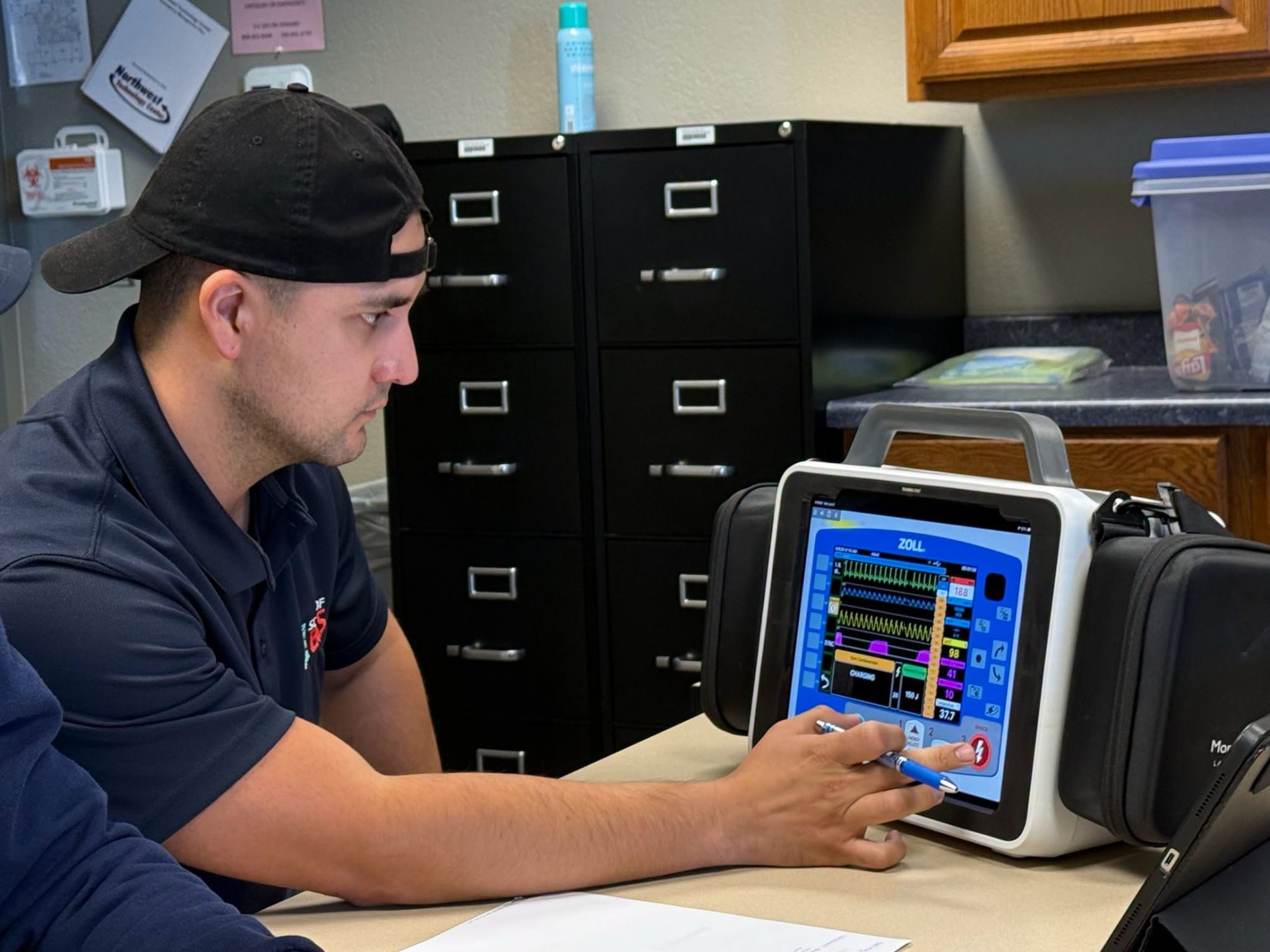
Although the average pathway falls within the 18-to-36-month range, no two students will experience exactly the same journey. Some students move quickly through the process because they have flexible schedules, strong academic foundations, and minimal interruptions. Others take a little longer while balancing career responsibilities, family commitments, or military obligations.
Program availability can also influence timing. Cohort start dates, clinical scheduling, National Registry testing appointments, and state credentialing processes all contribute to the overall timeline. Perhaps the biggest factor, however, is consistency.
The students who succeed are rarely the ones with the most free time. They're the ones who develop effective study habits, stay organized, communicate with instructors, and remain committed even when coursework becomes challenging.
Success in paramedic school isn't about perfection. It's about showing up prepared, staying engaged, and continuing to move forward.
Choosing a Program with Confidence
When comparing paramedic programs, it's easy to focus primarily on tuition costs or completion timelines. Those factors matter, but they shouldn't be the only considerations.
A great paramedic program should clearly communicate expectations, provide meaningful clinical experiences, offer strong student support, and prepare graduates for credentialing and employment. Most importantly, it should develop competent clinicians who are ready to excel in the field.
As you research programs, look beyond marketing claims and ask yourself whether the curriculum, training model, and support systems truly align with your career goals. The best program isn't necessarily the shortest one. It's the one that gives you the knowledge, skills, and confidence to serve patients at the highest level.
At School of EMS, that mission has guided our educational approach for more than 40 years.
Your Future Starts with the First Step
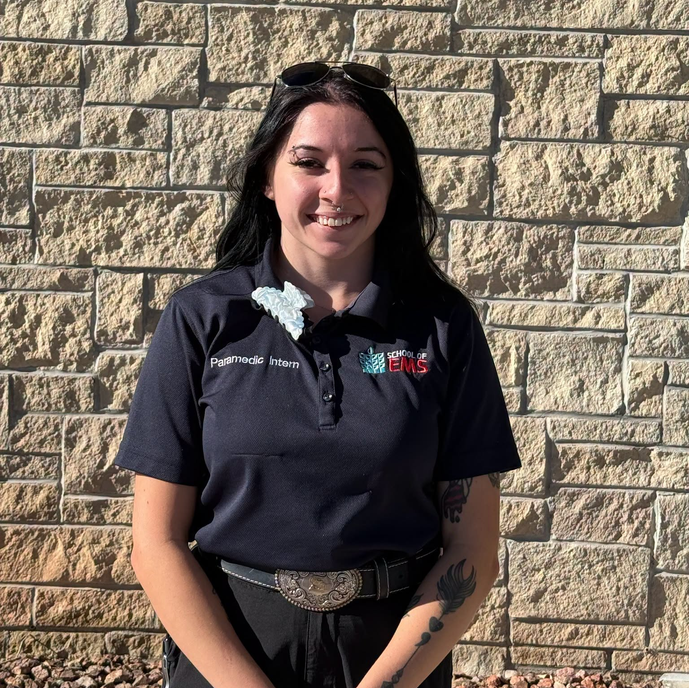
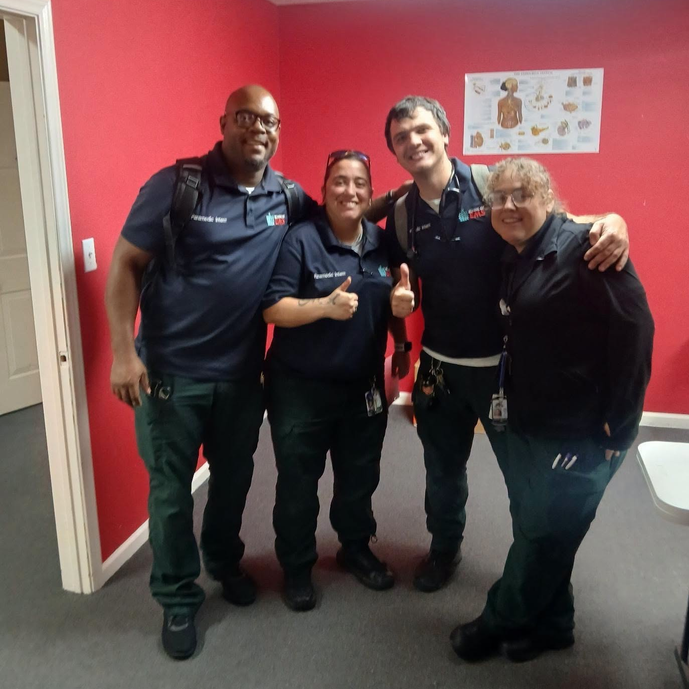
Becoming a paramedic is not a quick process, and it shouldn't be.
The profession demands clinical excellence, sound judgment, and the ability to perform under pressure. Developing those qualities takes time, training, and experience.
For most students, the journey will span somewhere between 18 months and three years from the beginning of EMT training through paramedic credentialing. Along the way, you'll gain much more than a certification. You'll develop the skills to make a difference in your community, support patients during critical moments, and build a rewarding career in emergency medicine.
If you're ready to take that next step, School of EMS is ready to help you get there.
Last Modified: