


The Paramedic Career Ladder: Exploring Career Paths in Paramedic Jobs
– By #School of EMS
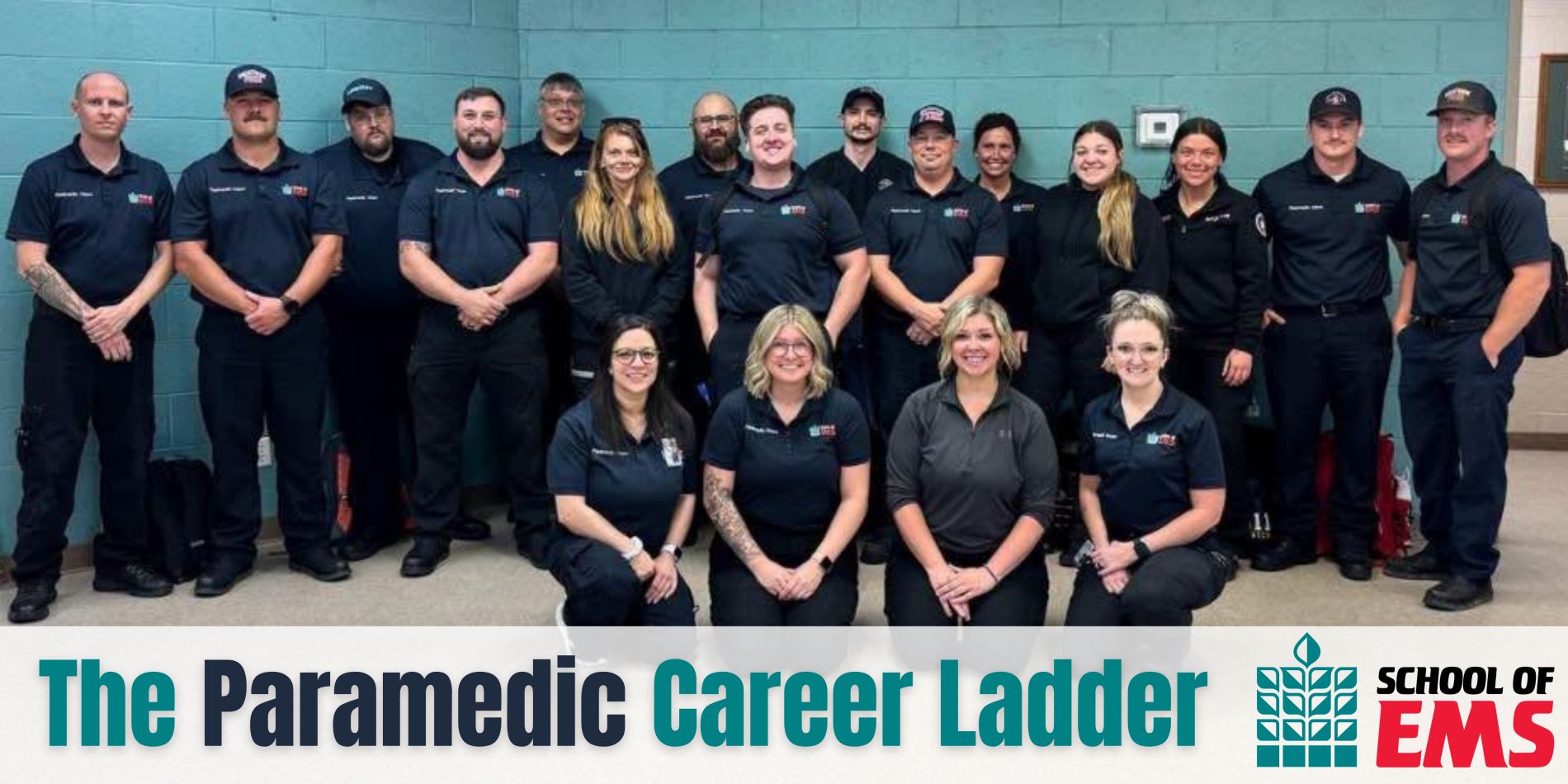
Paramedic work is more than lights, sirens, and ambulance calls. It is a growing healthcare career with clear steps, multiple work settings, and meaningful long-term options for people who want hands-on patient care. If you are searching for paramedic jobs or the outlook of paramedic careers, this guide explains how training, certification, field experience, and career choices can fit together.
School of EMS helps students explore EMS careers through structured programs from EMR through paramedic training, with online EMS training options in more than 20 states and hands-on learning designed to support real clinical readiness. To explore program options or take the next step >> Start Your EMS Journey
What Does the Paramedic Career Path Look Like?
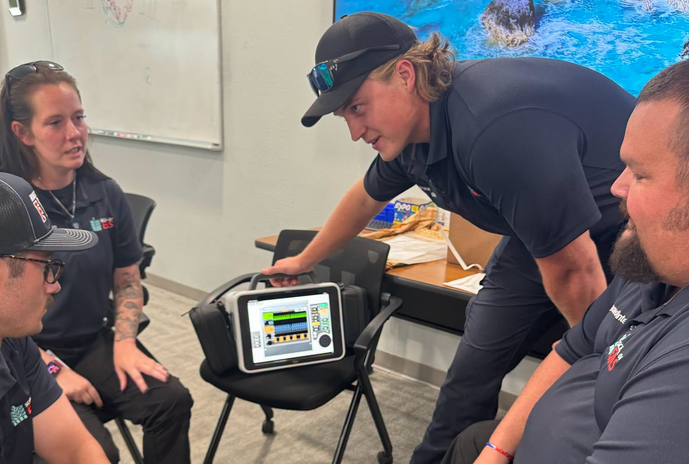
A typical paramedic career path starts with foundational emergency medical education, builds through certification and field experience, and can expand into advanced clinical, hospital, public safety, leadership, education, or specialty roles. Many people begin as an EMR or EMT, move into Advanced EMT, and then complete paramedic training to reach the highest common level of prehospital certification. From there, the ladder is not just “up”; it also branches outward into many different kinds of emergency medical jobs.
At the EMT level, students learn to assess patients, manage urgent medical and trauma situations, provide basic life support, and work as part of an emergency response team.
Advanced EMT training adds more clinical depth. Paramedics then take on more complex assessment and treatment responsibilities, often including medication administration, advanced airway management, cardiac monitoring, and decision-making under medical direction. The U.S. Bureau of Labor Statistics describes EMTs and paramedics as professionals who assess injuries and illnesses, provide emergency medical care, and may transport patients to medical facilities.
For many students, the career ladder looks like this:
- Explore the field through research, ride-along opportunities where available, CPR training, or entry-level healthcare experience.
- Complete EMT training to build core assessment, patient care, and emergency response skills.
- Gain field experience in ambulance services, fire-based EMS, interfacility transport, event medicine, or related settings.
- Complete advanced education such as AEMT or paramedic training.
- Earn required certification or licensure for the state where you plan to work.
- Choose a direction such as 911 response, critical care transport, hospital-based emergency care, community paramedicine, education, supervision, or flight medicine.
That structure matters because EMS rewards both competence and composure. The more you learn, practice, document, communicate, and reflect, the more prepared you become for the next level.
The Future Outlook for Paramedic Jobs is Steady and Practical
The future for paramedic jobs is shaped by a simple reality: communities continue to need trained professionals who can respond quickly, assess patients, begin treatment, and connect people to the right level of care. BLS projects overall employment for EMTs and paramedics to grow 5% from 2024 to 2034, faster than the average for all occupations, with about 19,000 openings projected each year on average during that decade.
Several forces support future paramedic career opportunities. Aging populations may create more calls involving falls, strokes, heart attacks, chronic disease complications, and mobility-related emergencies. Public health challenges, natural disasters, traffic incidents, behavioral health crises, and community healthcare gaps also keep EMS systems central to local care networks. BLS notes that emergencies such as car crashes, natural disasters, drug abuse incidents, and acts of violence will continue to require EMT and paramedic skills, while growth in middle-aged and older populations is expected to support demand for services.
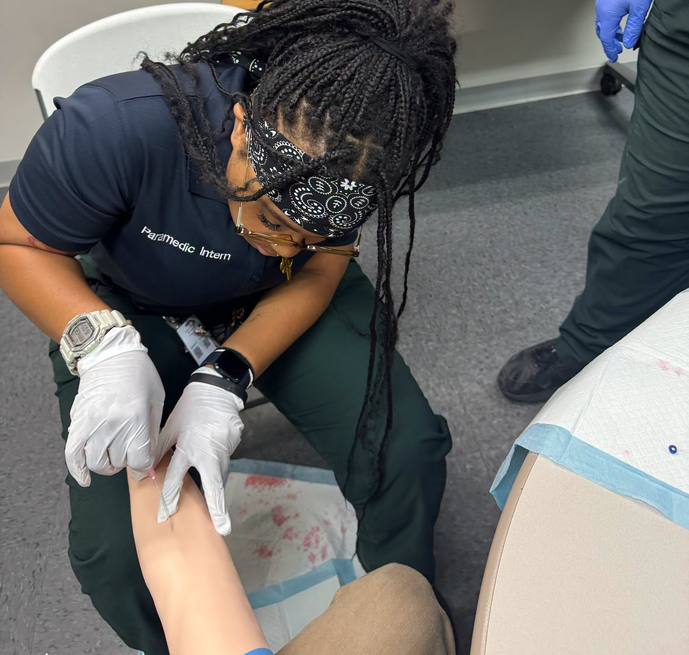
Future opportunity also comes from the way EMS is evolving. Many communities are exploring broader models of care, including mobile integrated healthcare, community paramedicine, alternative destination programs, and partnerships with hospitals or public health agencies. Not every market offers every option, but the direction is clear: the paramedic role is increasingly recognized as a bridge between emergency response, preventive care, and healthcare navigation.
For students, that means paramedic training can open more than one door. It can lead to an ambulance career, but it can also become a foundation for nursing, physician assistant studies, respiratory therapy, emergency management, firefighting, disaster response, clinical education, or healthcare leadership.
A Day in the Life of a Paramedic = Active, Unpredictable, and Team-Based
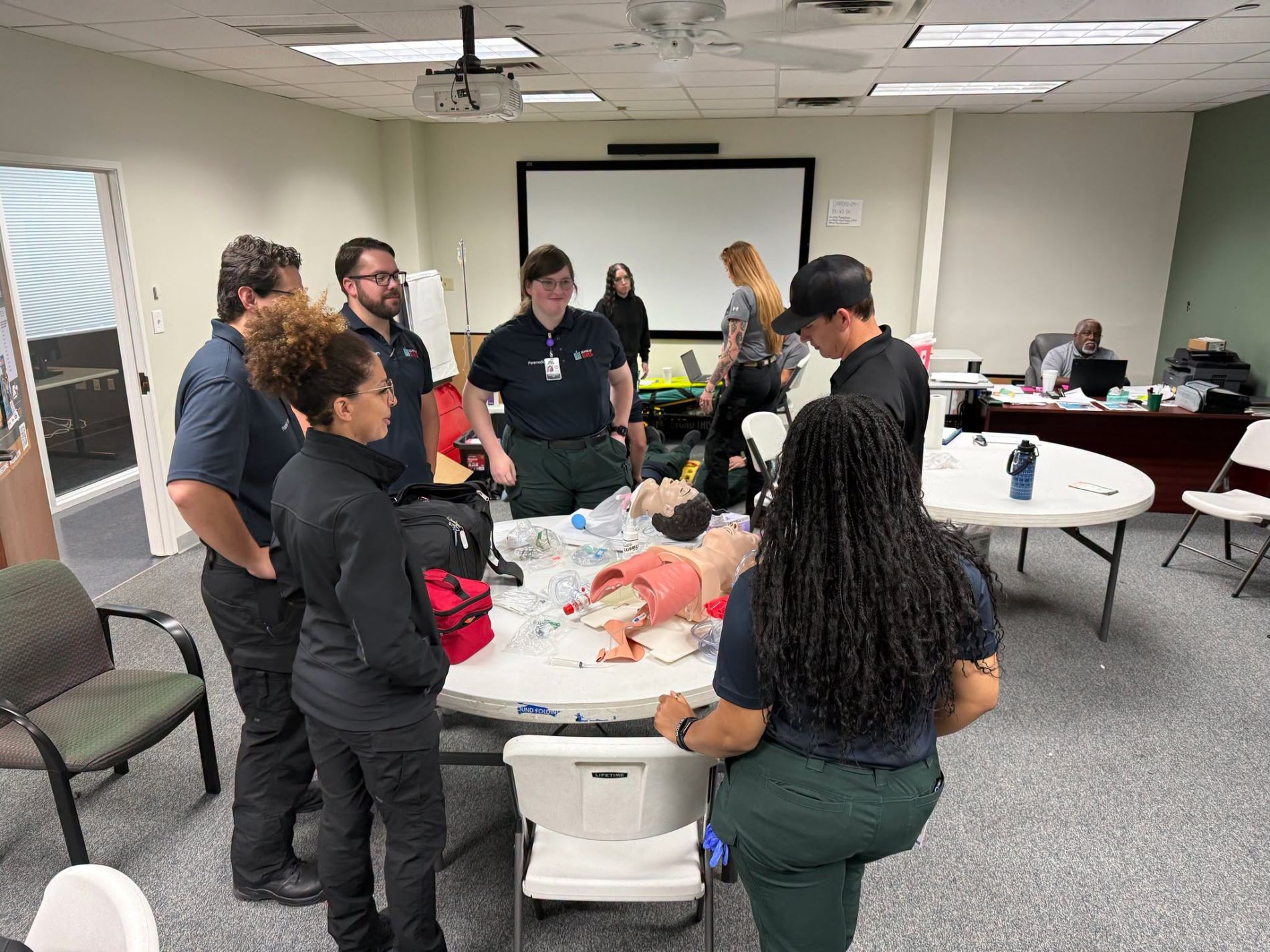
A day in the life of a paramedic usually includes checking equipment, responding to emergency or transport calls, assessing patients, providing treatment, communicating with dispatch and receiving facilities, documenting care, cleaning and restocking, and preparing for the next call. The rhythm can shift quickly from quiet readiness to intense decision-making. That mix of preparation and unpredictability is one reason EMS attracts people who want meaningful work rather than a routine desk job.
A shift might begin with a unit check. The paramedic and partner inspect the ambulance, confirm medications and supplies, test radios, review cardiac monitor readiness, and make sure personal protective equipment is available. This is not busywork. When a call comes in, missing equipment can slow care, so strong habits at the start of a shift protect both patients and crews.
The first call could be a fall at a residence. The crew assesses scene safety, introduces themselves, checks mental status, asks about pain and medical history, takes vital signs, evaluates injuries, and decides whether transport is needed. The next call could be chest pain, a breathing emergency, a car crash, a seizure, or a diabetic problem. Each situation requires clinical knowledge, but also calm communication with patients, family members, law enforcement, firefighters, nurses, and physicians.
The first call could be a fall at a residence. The crew assesses scene safety, introduces themselves, checks mental status, asks about pain and medical history, takes vital signs, evaluates injuries, and decides whether transport is needed. The next call could be chest pain, a breathing emergency, a car crash, a seizure, or a diabetic problem. Each situation requires clinical knowledge, but also calm communication with patients, family members, law enforcement, firefighters, nurses, and physicians.
Between calls, paramedics write patient care reports, clean equipment, replace supplies, and sometimes post at different locations to maintain coverage. EMTs and paramedics may work nights, weekends, holidays, and extended shifts, and their work can be physically strenuous and stressful.
The best paramedics are not necessarily adrenaline seekers. They are careful observers, steady communicators, disciplined learners, and practical problem solvers. They know how to move fast without becoming careless and how to show compassion even when a scene is chaotic.
Paramedic Programs in Texas and Beyond Create a Training Foundation
Paramedic programs in Texas and beyond should prepare students for the clinical judgment, technical skills, and professionalism expected in emergency care. A strong program does more than help students memorize information. It teaches them how to assess patients, think through priorities, work under protocols, communicate clearly, and transition from classroom learning to field performance.
When comparing training options, look for practical fit as well as academic quality. Consider:
- Program level: Make sure the course matches your current certification and your next career goal.
- State alignment: Requirements vary by state, so confirm that the program supports your intended certification or licensure pathway.
- Hands-on practice: EMS is a physical and clinical profession; skills practice matters.
- Clinical and field exposure: Real patient contact helps students connect knowledge to decision-making.
- Schedule format: Online or hybrid learning can help working adults, parents, and career changers, but it still requires discipline.
- Student support: Clear communication, instructor access, and guidance through next steps can make training less confusing.
If you are comparing options, use our site as a starting point to review programs. Explore career pathways and connect your training plan to your long-term EMS goals.
Understanding Paramedic Certification | Texas-Specific
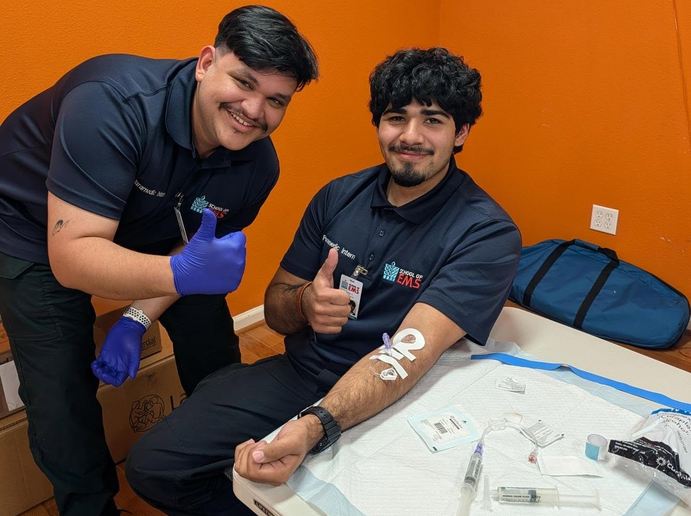
Each state’s paramedic certification requirements vary; however, in our homebase, eligibility is quite simple.
For students looking for paramedic certification in Texas, the key point is that training and certification are connected but not identical. Completing a course is one step; becoming eligible to work requires meeting state requirements. Texas DSHS states that applicants must be at least 18, have a high school diploma or GED, complete a DSHS-approved EMS training course, submit an application and fee, pass the National Registry exam, and complete fingerprinting for a Texas/FBI criminal history check.
Texas also distinguishes between EMT-Paramedic certification and Paramedic Licensure. According to Texas DSHS, EMT-Paramedic certification applies to those who have completed a paramedic course but have not completed a degree, while Paramedic Licensure applies to those with a two-year EMS degree or a four-year degree in any field.
This is why planning matters. Before choosing a program, confirm the requirements for the state where you intend to work. If you plan to move, also research reciprocity and equivalency rules. Requirements can change, and individual situations vary, so state EMS offices remain the best source for official licensing guidance.
Emergency Room Paramedic and Hospital-Based Roles Expand the Ladder
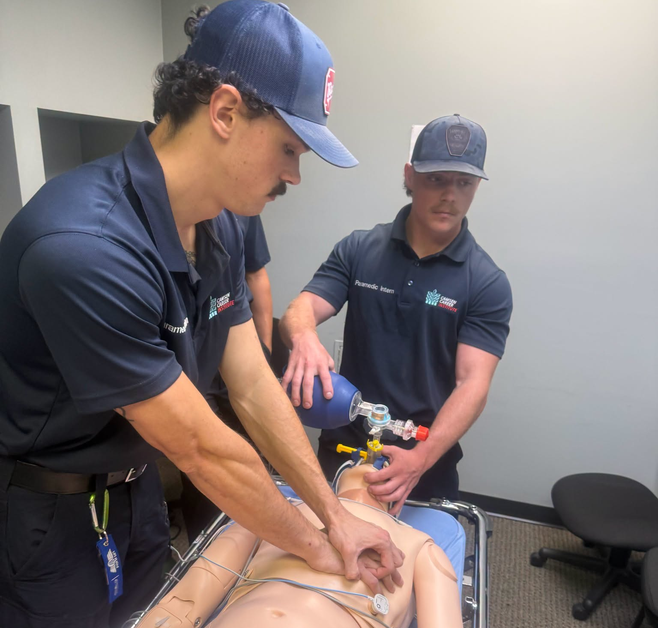
An Emergency Room Paramedic role can be a strong option for clinicians who enjoy emergency medicine but want to work inside a hospital environment. Responsibilities vary by facility and state rules, but hospital-based paramedics may support nurses and physicians by assisting with patient assessment, monitoring, procedures, transport within the hospital, documentation, and emergency department flow.
This kind of role can be appealing for paramedics who want broader exposure to lab work, imaging, physician decision-making, inpatient coordination, and longer patient care timelines than ambulance calls usually provide. It can also help paramedics explore whether they want to continue into nursing, advanced practice, respiratory care, or other hospital careers.
Hospital EMS roles are not separate from field EMS; they build on the same foundation. Scene awareness becomes room awareness. Patient handoff becomes interdisciplinary teamwork. The ability to stay calm, communicate clearly, and anticipate clinical needs remains valuable.
Paramedic Salary is Only One Part of Your Career Decision
Paramedic salary matters, especially when students are investing time, tuition, and energy into training. Nationally, BLS reported a median annual wage of $58,410 for paramedics in May 2024, while EMTs had a median annual wage of $41,340. Actual earnings vary by region, employer, overtime, shift structure, union status, experience, credentials, and whether the role is in ambulance services, local government, hospitals, outpatient care, or another setting.
When evaluating compensation, look beyond the base number. A job with strong mentorship, predictable scheduling, benefits, advancement pathways, and continuing education support may be more valuable long term than a slightly higher hourly rate with limited growth. On the other hand, some paramedics prioritize overtime, specialty differentials, fire service opportunities, or hospital transitions.
A practical salary review should include:
- Starting pay for EMT, AEMT, and paramedic levels in your area
- Overtime expectations and whether overtime is optional or routine
- Shift length and how it affects work-life balance
- Benefits such as health insurance, retirement, tuition support, and paid training
- Promotion opportunities into FTO, supervisor, lieutenant, educator, or clinical specialist roles
- Specialty paths such as critical care, flight, tactical, event, industrial, or community paramedicine
The right career choice balances pay with sustainability. EMS can be rewarding, but it is demanding. Your long-term success depends on finding roles that match your skills, goals, health, and life outside work.
Career Opportunities Grow with Experience and Intentional Choices
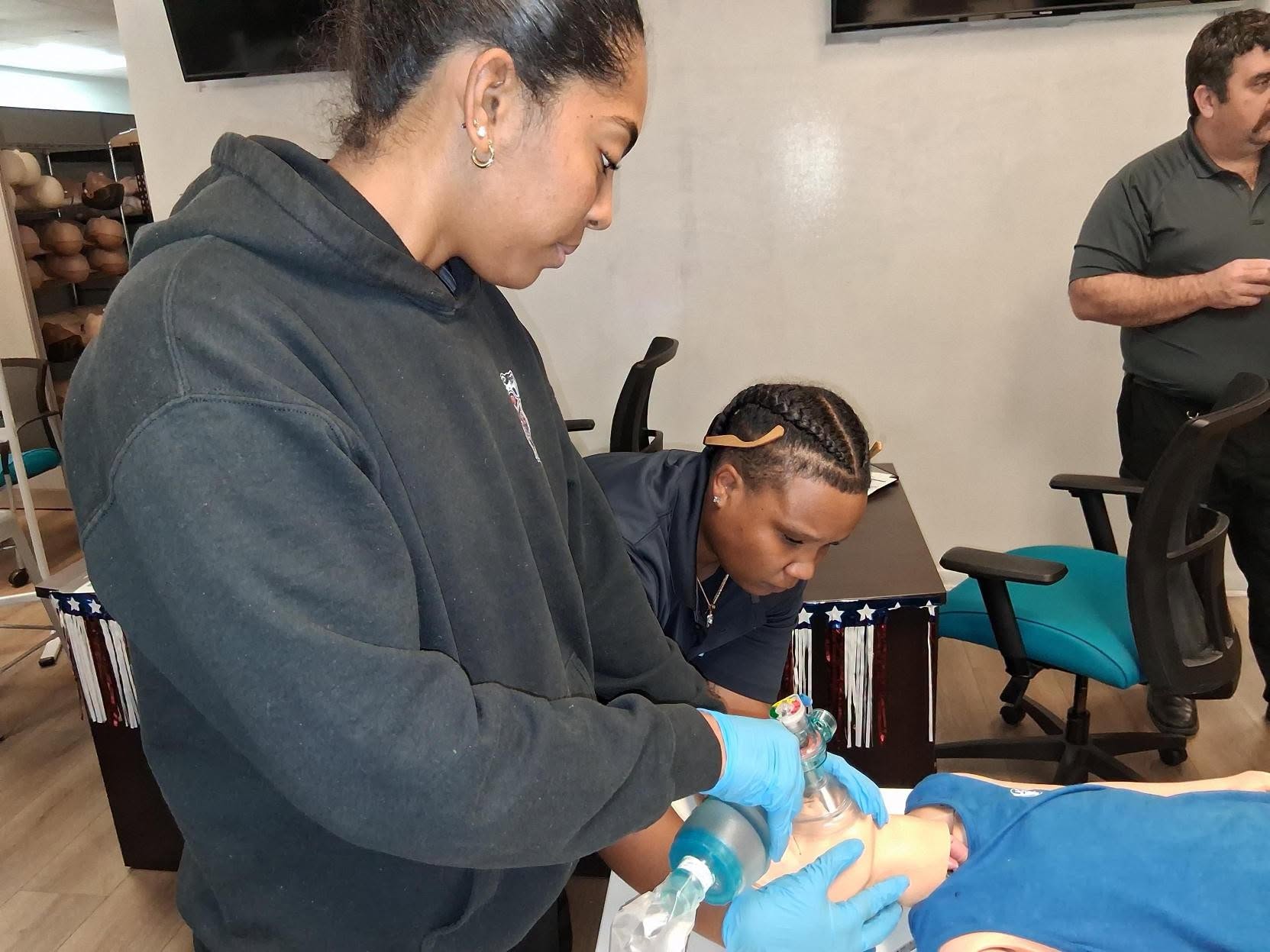
The paramedic ladder becomes more interesting after certification. Once you have field experience, you can begin shaping your career around the kind of work that energizes you.
Some paramedics love high-acuity 911 response. Others prefer critical care transport, emergency department work, community outreach, education, operations, or leadership.
Common growth paths include:
- 911 paramedic: Responds to emergency calls in municipal, private, county, hospital-based, or fire-based EMS systems.
- Critical care transport paramedic: Provides advanced care during interfacility transports for higher-acuity patients, often after additional training.
- Flight paramedic: Works on helicopter or fixed-wing medical transport teams, typically requiring significant experience and specialized preparation.
- Community paramedic: Supports patients outside traditional emergency response, often helping reduce unnecessary hospital visits and connect people to resources.
- Emergency department paramedic: Works in a hospital setting and supports emergency care teams.
- Field training officer: Mentors new EMTs and paramedics and helps evaluate performance.
- EMS educator: Teaches future clinicians in classroom, lab, simulation, or field environments.
- Supervisor or operations leader: Manages crews, logistics, scheduling, quality improvement, and system performance.
Each option has different requirements. Some require years of experience, additional certifications, employer sponsorship, or degree completion. The important thing is to treat your first paramedic job as a launch point, not a final destination.
Choosing the Right Paramedic Training Program Matters
Choose paramedic training by looking for a program that fits your schedule, supports your state requirements, provides meaningful hands-on preparation, and helps you understand the career ladder beyond the classroom. The best choice is not always the fastest or most convenient option. It is the one that prepares you to care for real patients safely and confidently.
Start by asking what kind of learner you are. If you are self-motivated, an online or hybrid model may help you balance school with work or family. If you need more in-person structure, look closely at lab requirements, instructor access, and scheduled support. Either way, paramedic schooling requires consistent study, practice, and accountability.
Then connect your training to your career goal. If you want fire-based EMS, research local hiring expectations. If you want hospital work, look at emergency department job postings. If you want flight or critical care transport, plan for strong 911 experience and future specialty education. If you want to teach, pay attention to communication, documentation, and mentorship from the beginning.
School of EMS is built around helping students move through EMS education with clear program pathways and practical next steps. If you are ready to compare options, explore EMR, EMT, AEMT, and paramedic programs on our Programs page and choose the starting point that matches your current level.
The Takeaway for Future Paramedics
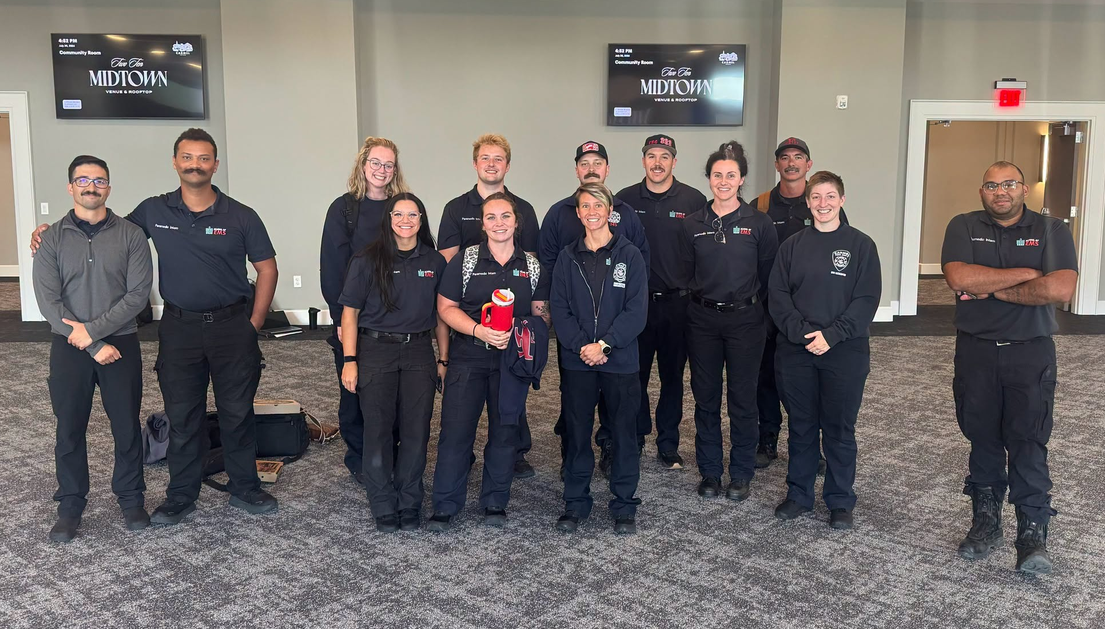
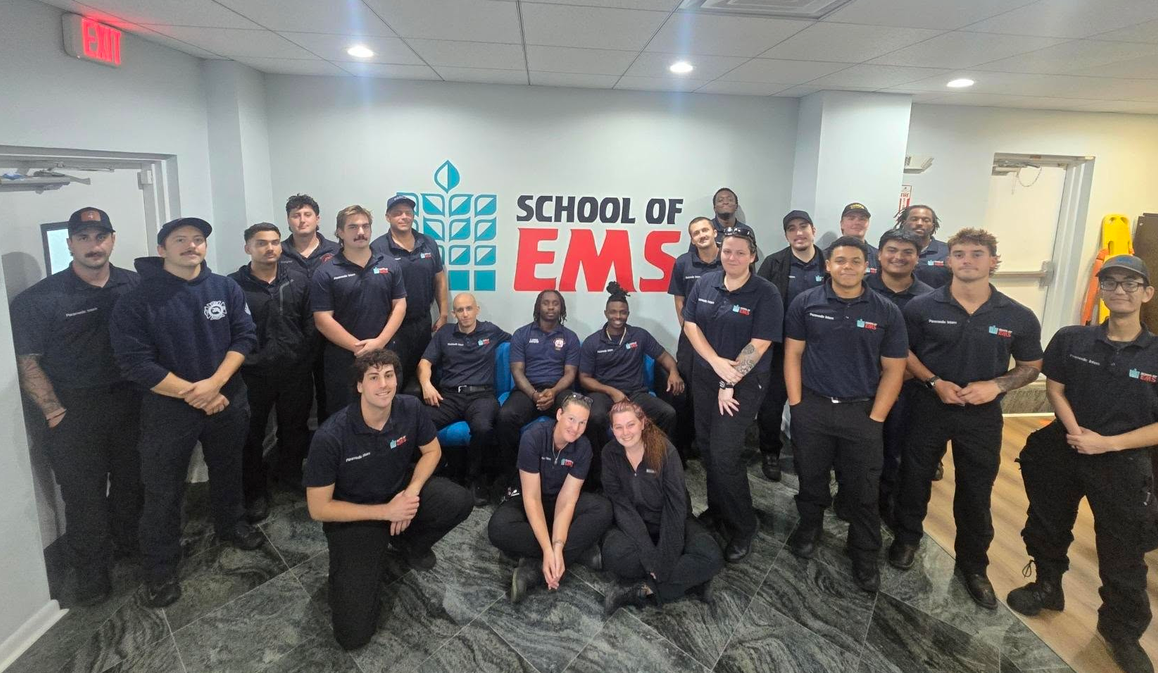
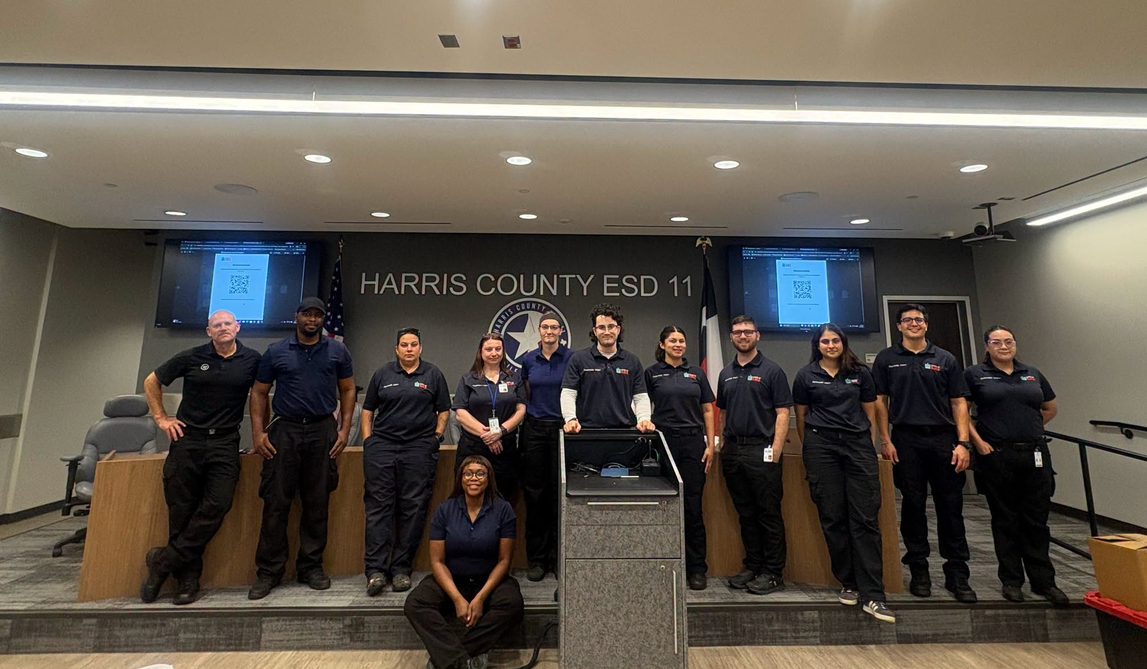
Paramedic careers offer a rare combination of clinical skill, public service, mobility, and growth. The work is demanding, but the ladder is real: with training, certification, experience, and intention, you can move from entry-level EMS into advanced patient care, hospital roles, specialty transport, education, leadership, or broader healthcare careers.
The future outlook for EMS remains practical because communities will continue to need trained responders who can bring care to patients when minutes matter. If you are ready to begin or advance your EMS career, Apply to School of EMS to explore programs and take the next step toward a stronger future in emergency medical services.
Last Modified: