

Why School of EMS is the Best EMS School in Texas and Beyond
– By #School of EMS

When deciding to enter the fast-paced, high-stakes world of emergency medical services, your educational foundation matters. The quality of your training directly impacts your ability to think critically, act decisively, and care for patients during some of the most challenging moments of their lives.
If you have been researching EMT and paramedic programs, you will quickly discover why School of EMS has become one of the most respected names in EMS education - not only in Texas, but across the country. With more than 40 years of experience, a national footprint, innovative hybrid learning models, and a culture focused on both clinical excellence and professional character, School of EMS continues to raise the standard for emergency medical education.
Whether you are pursuing your first EMT certification or advancing your career through a paramedic program, choosing the right school is one of the most important decisions you will make. Here's what makes School of EMS a premier destination for future EMS professionals.
Setting the Standard in EMS Education
Texas is home to many EMS training programs, but standing out as the best EMS school in Texas requires more than simply meeting minimum requirements. It requires a relentless commitment to student success, educational quality, and the long-term success of graduates.
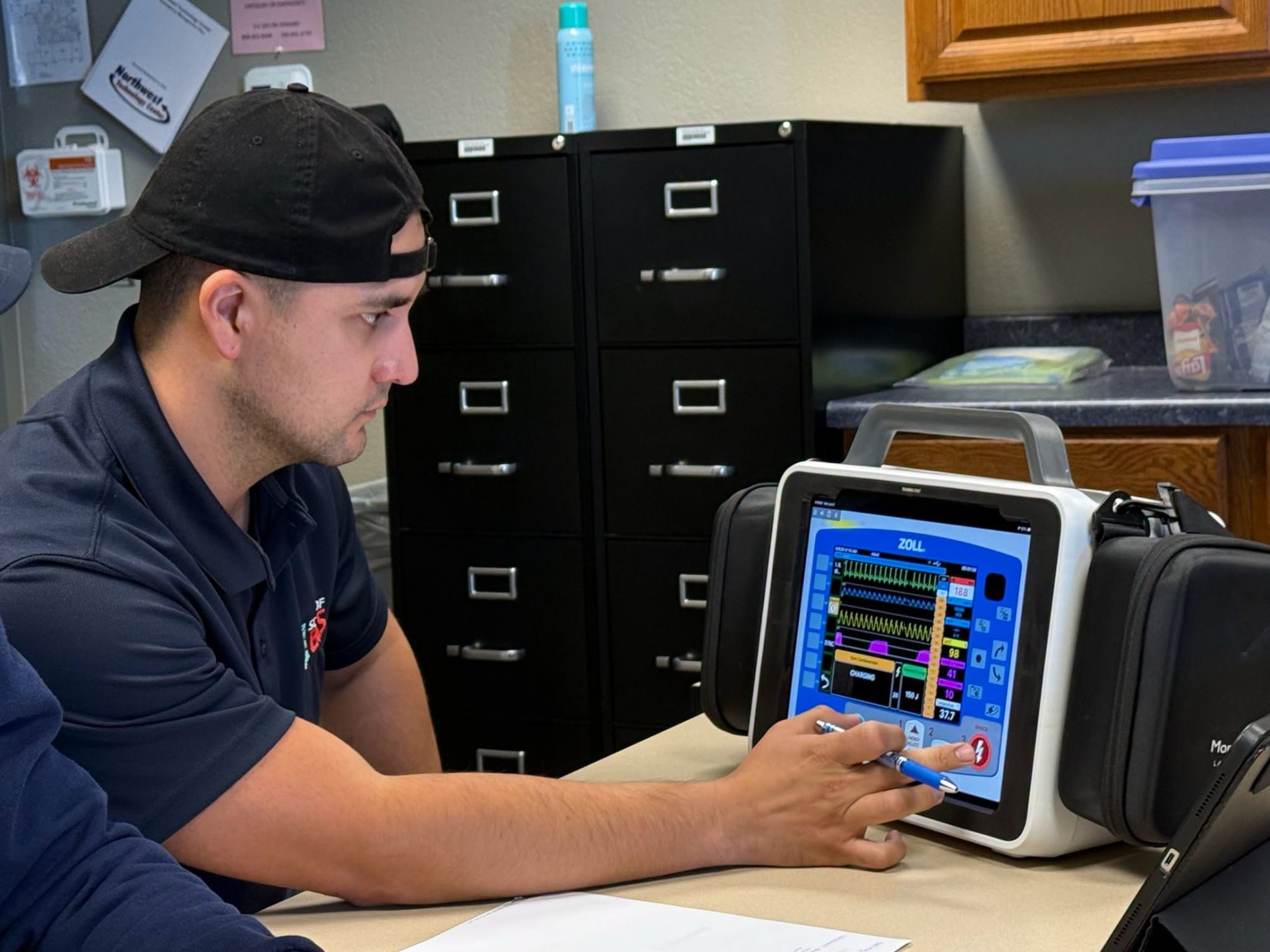
At School of EMS, education is built around a simple but powerful mission: preparing competent, compassionate providers who are ready to serve their communities. Our school offers EMR, EMT, AEMT, and Paramedic programs designed to mirror the realities of modern emergency medicine while maintaining high academic standards. Students learn from instructors with extensive field experience, many of whom have spent years working in 911 systems and emergency healthcare environments.
Unlike schools that focus solely on helping students pass a test, School of EMS emphasizes the development of clinical knowledge, hands-on skills, critical thinking, and professional behavior. As Dr. Robert Stanley, Director of Academic Affairs, explains here, true quality is measured not only by accreditation and licensure but also by graduate performance, employer satisfaction, and patient outcomes.
More Than a Texas EMS School: A National Leader
Anyone can make claims about quality. What separates exceptional schools from average programs is measurable performance.
For more than four decades, School of EMS has been preparing students for careers in emergency medicine while expanding its reach far beyond Texas. Today, School of EMS serves students throughout the United States and internationally, including learners from Guam, Canada, the United Kingdom, Ireland, and Australia. That broad reach reflects the effectiveness of an educational model built around flexibility, consistency, and real-world application.
Our school's outcomes provide even more evidence of its success.
- 82.5% National Registry pass rate
- 83.9% retention rate
- 97.1% positive placement rate
- 798 graduates becoming nationally registered paramedics in 2024
Those numbers represent more than statistics. They reflect hundreds of students successfully entering the EMS workforce and making a difference in their communities every day. For prospective students evaluating paramedic schools in Texas or comparing top EMS schools across the United States, these outcomes demonstrate a proven ability to help students achieve their goals.
Flexible and Modern Learning Approaches
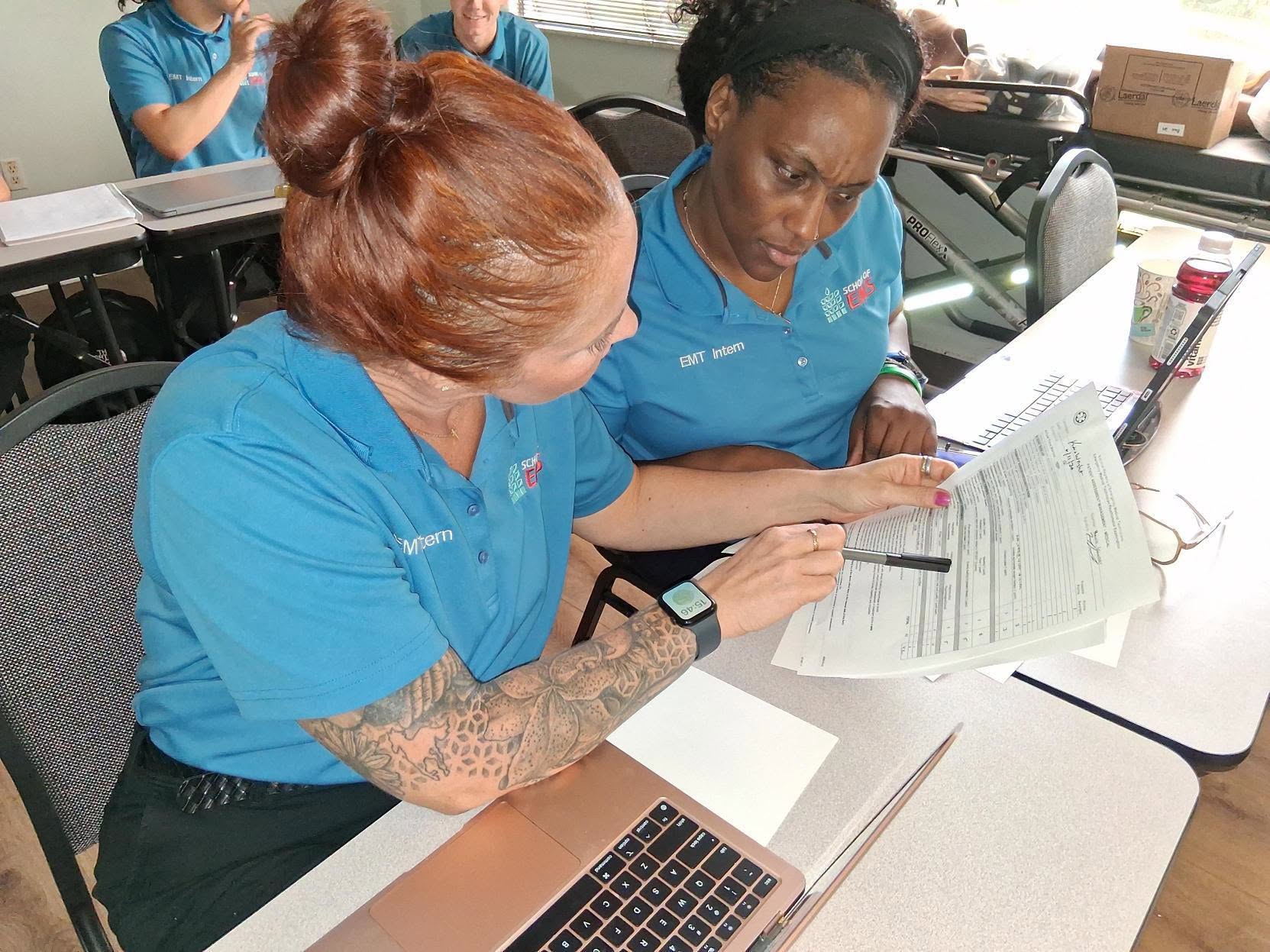
Today's students need educational opportunities that work alongside employment, family responsibilities, and busy schedules. That's why the School of EMS has become a leader in online EMS education and hybrid learning models.
Our approach combines comprehensive online coursework with structured, hands-on training opportunities. Students can complete didactic portions of their education remotely while participating in scheduled skills labs, clinical experiences, and field internships that reinforce real-world application. This flexibility allows students to pursue EMS certification without sacrificing educational quality.
As Dr. Stanley often notes, "online learning is flexible, not easy." Students are expected to engage deeply with the material, develop strong clinical reasoning skills, and demonstrate mastery before advancing. The goal is not convenience for convenience's sake; it is creating an educational pathway that works for modern learners while maintaining rigorous academic expectations.
Real-World Experience and Expert Guidance
EMS is ultimately a hands-on profession. No amount of reading can replace the experience of assessing a patient, managing an airway, or making critical decisions under pressure.
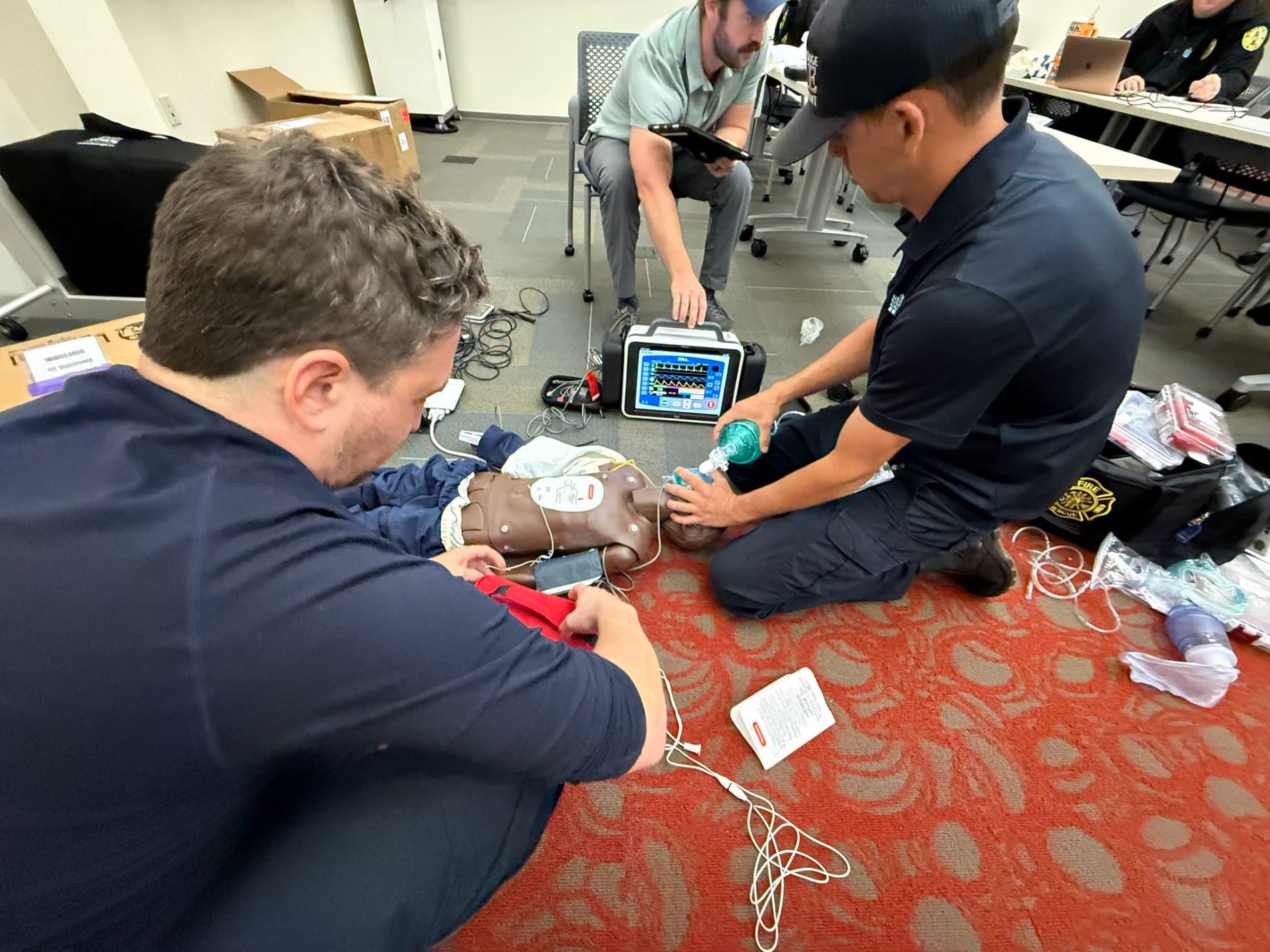
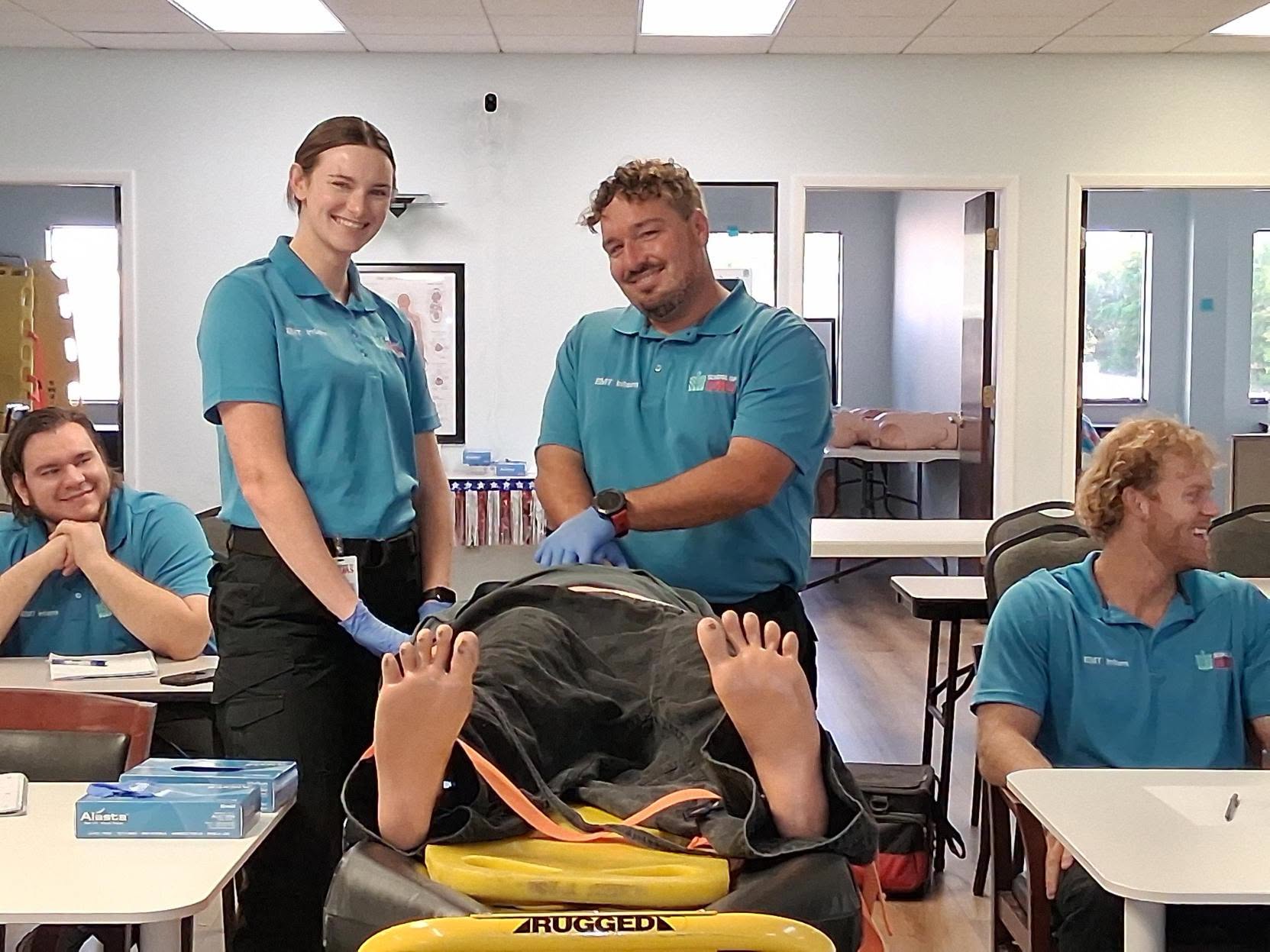
That's why we place a strong emphasis on practical training. Students participate in comprehensive skills labs where they develop proficiency in assessment, treatment, communication, and emergency interventions. Clinical placements and field experiences further reinforce classroom concepts by exposing students to real patients and real healthcare environments.
Our instructors bring years of field experience into the classroom and provide students with mentorship that extends beyond technical skills. They help students understand scene management, teamwork, professionalism, and patient-centered care. These lessons cannot always be taught through textbooks alone.
Hands-On Training That Reaches Across State Lines
One of the biggest misconceptions about hybrid EMS education is that students miss out on hands-on learning. The School of EMS has built its reputation by proving otherwise.
Across the country, students come together for skills labs, clinical rotations, and field experiences that transform classroom knowledge into practical competency. Through School of EMS's social media channels, you can regularly see students from multiple states participating in airway labs, trauma assessments, medication administration training, patient care simulations, and team-based scenarios.
These experiences showcase one of School of EMS’ greatest strengths: consistency. Whether a student is attending labs in Texas or Florida, they are held to the same standards and expectations.
Director of Operations & Innovation Chad Pate describes this philosophy as "One School. One Standard. One Voice." The goal is for every student, regardless of location, to receive the same high-quality educational experience rooted in accountability, professionalism, and excellence.
School of EMS Believes Quality Is More Than a Test Score
In EMS education, it can be tempting to judge a program solely by exam pass rates. While those metrics matter, we believe quality runs deeper.
In his article A Quality Conversation, Dr. Robert Stanley discusses how strong EMS education requires balance. Students must develop cognitive knowledge, psychomotor skills, and affective competencies while meeting regulatory standards and preparing for successful careers. Programs that focus only on passing exams often fail to prepare graduates for the realities of patient care.
At School of EMS, quality is viewed holistically. Curriculum design, instructor development, employer feedback, graduate success, accreditation standards, and student outcomes all work together to create a meaningful educational experience. The result is a program designed not only to produce licensed providers, but trusted professionals.
Where Future Providers Learn More Than Medicine
One of the most distinctive aspects of School of EMS is its emphasis on professional affect.
In healthcare, technical competence is essential, but patients often remember something else: how they were treated.
In The Power of Presence, Chad Pate explains that professionalism, humility, accountability, compassion, and emotional intelligence are not "soft skills" at School of EMS - they are educational standards. Students are taught that who they are matters just as much as what they know.
This philosophy influences every aspect of the educational experience. Students are expected to demonstrate respect for classmates, professionalism during clinical rotations, effective communication with patients, and composure during stressful situations. These expectations help shape providers capable of delivering exceptional care long after graduation.
Preparing Students for the Realities of Modern EMS
Modern healthcare is constantly evolving, and EMS education must evolve alongside it.
In his article Shortcut or Short Circuit?, Dr. Robert Stanley explores the impact of artificial intelligence on education. While technology offers powerful tools for learning, he cautions that students must still engage in the difficult work of developing true clinical reasoning skills. Understanding pathophysiology, problem-solving, and adaptive decision-making remains essential for success on the National Registry exam and in patient care situations.
This commitment to continuous improvement is evident throughout the School of EMS. Leadership actively evaluates curriculum effectiveness, monitors student performance trends, and refines educational strategies to ensure students are building genuine competence rather than simply memorizing information.
Navigating Certification Requirements and Career Paths
For many prospective students, figuring out how to become an EMT or paramedic can seem overwhelming. Licensing requirements, background checks, clinical hours, certifications, and National Registry testing all add layers of complexity.
School of EMS provides a clear pathway through the process by helping students understand the requirements, complete necessary training, and prepare for certification exams. Students begin with foundational education, progress through hands-on training and clinical experiences, complete National Registry testing requirements, and move into professional practice with ongoing support and guidance.
School of EMS provides a clear pathway through the process by helping students understand the requirements, complete necessary training, and prepare for certification exams. Students begin with foundational education, progress through hands-on training and clinical experiences, complete National Registry testing requirements, and move into professional practice with ongoing support and guidance.
Affordability and National Reach
A common misconception is that elite EMS education must come with an unattainable price tag. School of EMS believes that quality education should remain accessible to people who are passionate about serving others.
By combining flexible delivery methods with nationally recognized educational standards, we help our students receive a high-quality education while preparing for career opportunities across the country. Graduates leave with training that is respected by employers and supported by a curriculum designed to meet national standards.
If your goal is to work in Texas, across the United States, or even internationally, School of EMS provides the foundation to build a long and successful EMS career.
Prepare for Success with School of EMS
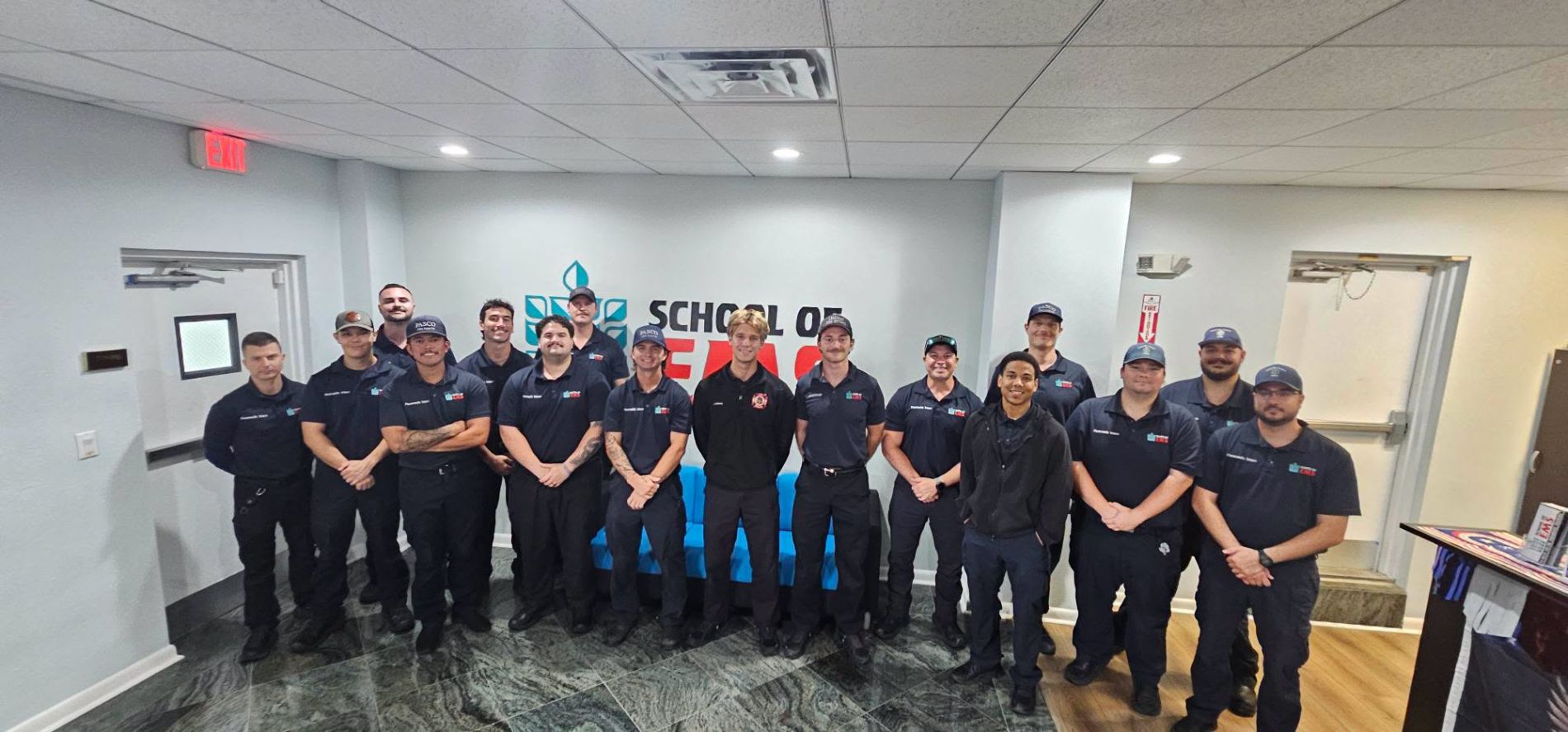
What makes School of EMS different is not simply its longevity, impressive outcomes, or national reach.
What truly sets us apart is our belief that exceptional EMS providers are built through equal parts knowledge, skill, character, consistency, and heart.
With more than 40 years of educational excellence, over 300 instructors nationwide, a nationally accredited paramedic program, strong student outcomes, and a culture grounded in empathy and professionalism, School of EMS continues to set the benchmark for EMS education in Texas and beyond.
For students looking for a program that will challenge them, support them, and prepare them for a meaningful future in emergency medicine, School of EMS is more than a school. It is a community dedicated to developing the next generation of trusted healthcare professionals.
Last Modified: